

Autoflower seeds are cannabis seeds that grow into plants which start flowering on their own, without needing a change in the light cycle. Most cannabis cultivars rely on a strict 12 hours of light and 12 hours of darkness to kick off flowering. Autoflowers skip that step and move from veg to flower based on age, not lighting.
That trait comes from Cannabis ruderalis, a hardy type of cannabis that adapted to rough climates with short summers. Breeders crossed ruderalis with Cannabis sativa and Cannabis indica to create modern autoflower cultivars that keep the automatic flowering trait but still deliver strong yields and solid potency.
For growers, this means a faster and more straightforward process. Autoflower plants usually go from seed to harvest in around 8 to 12 weeks, stay on the smaller side, and don’t need constant adjustments to lighting schedules. You plant them, give them a steady environment, and they handle the timing on their own.

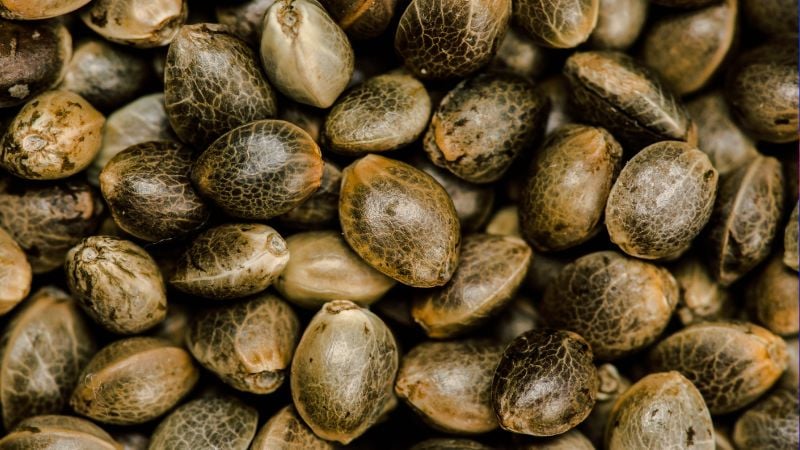
Autoflower vs Photoperiod Seeds
The main difference comes down to what triggers flowering. Autoflower cultivars move into the flowering stage on their own after a few weeks of growth. Photoperiod plants need a strict light schedule shift, usually 12 hours of light and 12 hours of darkness, to make that transition happen.
With autoflowers, the timeline is locked in. Most runs finish in about 8 to 12 weeks from seed. Photoperiod plants give you more control since you can keep them in the vegetative stage as long as you want before flipping the lights. That flexibility can lead to bigger plants and heavier yields, but it takes more planning and hands-on management.
Autoflower cultivars keep things simple. You don’t need to adjust timers or worry about light leaks interrupting flowering. That makes them a solid choice for newer growers or anyone running a small setup. They also stay compact, which helps if space is tight.
Photoperiod cultivars lean more toward control and scale. You can train them longer, shape the canopy, and push for larger harvests. The tradeoff is time and effort. If you want a quicker turnaround and less micromanaging, autoflowers tend to fit the bill.
The Origins of Autoflower Genetics
Autoflower cultivars trace back to Cannabis ruderalis, a lesser-known type of cannabis that developed in regions with short, unpredictable summers. In those environments, waiting around for perfect light conditions wasn’t an option. Ruderalis adapted by flowering based on age, which allowed it to complete its lifecycle quickly before the weather turned.
On its own, ruderalis isn’t what most growers are after. It tends to stay small and doesn’t bring the same potency or yields you’d expect from modern cultivars. The real shift happened when breeders started crossing it with Cannabis sativa and Cannabis indica. That process kept the automatic flowering trait while improving bud quality, potency, and overall performance.
Today’s autoflower cultivars are the result of years of selective breeding. You get the speed and resilience from ruderalis, paired with the flavor profiles, structure, and yields that growers expect from top-tier genetics.

How Autoflower Seeds Work
Autoflower seeds follow a set timeline from the moment they sprout. Once germination kicks off, the plant moves through the seedling stage, then a short vegetative phase, and into flowering without any input from the grower’s light schedule. That transition usually happens around week 3 to 5, depending on the cultivar.
Instead of reacting to a 12/12 light cycle, autoflower cultivars run on an internal clock. You can keep your lights consistent the whole time, and the plant will still shift into flowering on its own. That’s what makes them so easy to manage compared to traditional photoperiod grows.
The full lifecycle is quick. Most autoflowers are ready to harvest in about 8 to 12 weeks from seed. They also tend to stay smaller and more compact, which is great for tight spaces or low-key setups.
One thing to keep in mind is timing. Since the plant decides when to flower, there’s not much room to recover from stress early on. A rough start can impact the final size and yield, so keeping conditions steady from day one makes a big difference.
Key Benefits of Autoflower Seeds
Autoflower cultivars keep things simple, which is a big reason they’ve gotten so popular. You don’t need to mess with light schedules or worry about flipping to 12/12. Set your lights, keep your environment steady, and the plants take care of the timing on their own.
Speed is another big win. Most autoflowers finish in about 8 to 12 weeks from seed, so you can move from one harvest to the next pretty quickly. That shorter cycle makes it easier to run multiple grows in a single season, especially outdoors.
They’re built for smaller setups too. Autoflower plants usually stay compact, which works well in tents, closets, or any space where height is limited. You can run more plants in a tighter area without things getting out of control.
For newer growers, autoflowers take a lot of the guesswork out of the process. There’s less to manage day to day, and fewer variables that can throw things off track. Once you get the basics dialed in, they’re pretty straightforward to grow from start to finish.

Potential Downsides of Autoflower Seeds
Autoflower cultivars keep things easy, but there are a few tradeoffs to keep in mind. The biggest one is yield. Since these plants stay smaller and move through their lifecycle quickly, each plant usually produces less than a larger photoperiod grow.
There’s also less room for error early on. Autoflowers don’t wait around in the vegetative stage, so if something goes wrong in the first few weeks, the plant doesn’t have much time to bounce back. Stress from overwatering, poor soil, or transplanting can limit how big the plant gets before it starts flowering.
You’re giving up some control too. With photoperiod cultivars, you can extend the veg stage and shape the plant exactly how you want before switching to flower. Autoflowers don’t offer that flexibility. Once they start, they’re on their own schedule.
That said, newer autoflower cultivars have come a long way. Yields and potency are much better than they used to be, but the fixed timeline is still something to plan around.
Autoflower Seed Types
When you’re shopping for autoflower cultivars, you’ll usually see them labeled as feminized or regular. That distinction matters more than a lot of new growers realize.
Feminized autoflower seeds are bred to produce only female plants. Female plants are the ones that grow buds, so this takes the guesswork out of your grow. You don’t have to worry about identifying and removing male plants, which keeps your space focused on producing usable flower.
Regular autoflower seeds can produce both male and female plants. Males don’t produce buds and can pollinate your females, which leads to seeded flowers instead of dense, clean buds.
For most setups, especially home grows, feminized autoflower cultivars are the go-to. You get consistency, better use of your space, and a smoother overall process from seed to harvest.

Typical Yield, Potency, and Grow Time
Autoflower cultivars are built for speed. Most plants go from seed to harvest in about 8 to 12 weeks. Some faster cultivars finish even sooner.
Yield per plant is usually moderate. Autoflowers stay smaller, so they don’t produce as much as large photoperiod plants. You can offset that by running more plants or completing more grow cycles.
Potency has improved a lot over time. Modern autoflower cultivars regularly produce strong THC levels that match up well with photoperiod genetics.
These plants are all about efficiency and quick turnaround rather than maximizing size.
Indoor vs Outdoor Growing with Autoflowers
Autoflower cultivars work well in both indoor and outdoor setups.
Indoors, you’ve got full control. You set the lighting, temperature, and airflow, and the plants stay on a consistent schedule from start to finish. Since autoflowers don’t need a light cycle change, many growers keep lights running longer each day. Their compact size makes them a natural fit for tents, closets, or smaller grow rooms.
Outdoors, autoflower cultivars give you flexibility with timing. Since they don’t rely on seasonal light changes, you can plant them at different points throughout the warmer months and pull multiple harvests in a single season. They also handle less-than-perfect conditions better than a lot of photoperiod plants.
The main thing to watch outdoors is giving them a strong start. With a short lifecycle, early conditions matter a lot.
Our Most Popular Autoflowers at Liberty Seed Bank
If you’re trying to figure out where to start, these are the autoflower cultivars growers keep coming back to.


FAQs About Autoflower Seeds
What makes autoflower seeds different from regular cannabis seeds?
Autoflower seeds grow into plants that flower based on age instead of light cycles.
How long do autoflower plants take from seed to harvest?
Most finish in about 8 to 12 weeks.
Do autoflower plants produce less than photoperiod plants?
Yes per plant, but you can run more plants or more cycles.
Are autoflower seeds good for beginners?
Yes. They’re simple to grow and don’t require light schedule changes.
Can you grow autoflowers indoors and outdoors?
Yes. They perform well in both environments.
Do autoflower seeds need a specific light schedule?
No. They flower automatically without light changes.
Are autoflower seeds always feminized?
Most are feminized, but regular versions exist.
Can you train or top autoflower plants?
Light training works best. Heavy stress early can limit growth.