

Autoflowers move fast. They go from seed to flower on their own schedule, which is great for growers who want a shorter grow cycle, but it also means there is less time to fix mistakes. If you overfeed, miss a pH issue, or use soil that is too hot, your plant may not have enough time to fully bounce back before harvest.
The best nutrients for autoflowers are usually simple, gentle, and matched to the plant’s stage of growth. Young autoflower seedlings need very little food. Once they start growing more leaves and branches, they can handle a light veg feed with nitrogen. As they shift into flower, they need more phosphorus and potassium to support bud production.
The big thing to remember is that autoflower cultivars usually do better with less than more. You do not need a shelf full of bottles to grow a healthy plant. A mild base nutrient, a bloom formula, the right pH, and a careful feeding schedule can take you a long way.
What Makes Autoflowers Different From Photoperiod Plants?
Autoflowers are different from photoperiod plants in one big way. They start flowering based on age, not a change in the light schedule. A photoperiod plant usually needs longer nights to move into flower, but an autoflower cultivar will make that switch on its own once it reaches the right point in its life cycle.
That matters a lot when you are feeding them. Photoperiod plants can usually stay in veg longer if they need extra recovery time. Autoflowers do not wait around. If they get stressed from too much fertilizer, poor watering, transplant shock, or pH problems, they often keep moving toward flower anyway.
This is why autoflower nutrients should be used with a lighter hand. These plants still need nitrogen, phosphorus, potassium, calcium, magnesium, and other trace nutrients, but they usually do not need heavy doses early on. A mild, steady feeding plan is a much better fit than trying to push them hard from the start.
For most home growers, the goal is simple. Give your autoflowers enough food to stay healthy without loading the root zone with more nutrients than they can use. When the plant is growing clean, the leaves look healthy, and the bud sites are forming on schedule, you are on the right track.

The Main Nutrients Autoflowers Need
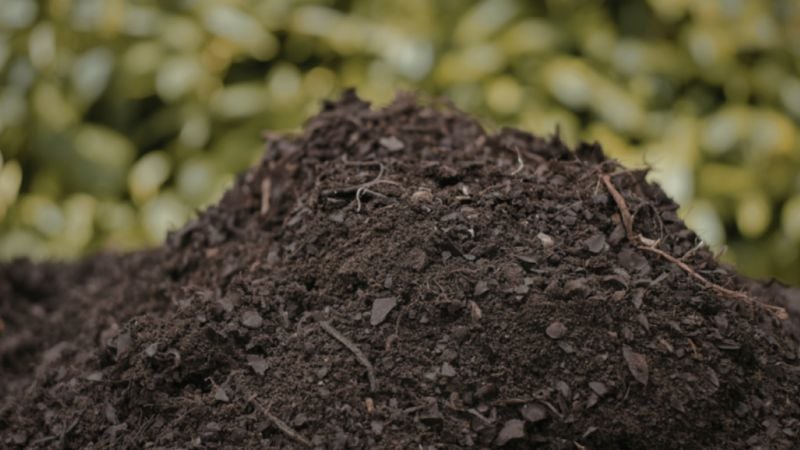
Autoflowers need the same core nutrients as other cannabis plants, but they usually prefer a lighter touch. The main three are nitrogen, phosphorus, and potassium, often listed as NPK on nutrient bottles and soil bags. Those three numbers tell you the balance of the fertilizer.
Nitrogen helps autoflowers build healthy green growth during the seedling and veg stages. This is the nutrient most connected with leaves, stems, and overall plant size. Autoflowers do not stay in veg for long, so nitrogen matters early, but too much later in the grow can lead to dark, clawing leaves and a plant that feels overloaded.
Phosphorus becomes more important as the plant starts building roots and forming flowers. Once your autoflower begins showing pistils and bud sites, phosphorus plays a bigger role in supporting that shift into bloom.
Potassium helps with overall plant function and becomes especially useful during flower. It supports strong growth, water movement, and flower development, making it a key part of most bloom nutrient formulas.
Autoflowers also need secondary nutrients and trace minerals. Calcium, magnesium, and sulfur are the big ones to know, with calcium and magnesium getting the most attention from home growers. If you are growing in coco, using filtered water, or running strong LED lights, your plants may need extra Cal-Mag during the grow.
The easiest route is to use a complete cannabis nutrient line or a quality soil mix that already includes a balanced nutrient profile. That way, you are not trying to piece together every mineral one by one. For most autoflower cultivars, simple and steady beats complicated feeding every time.
Best NPK Ratios for Autoflowers by Growth Stage
The best NPK ratio for autoflowers depends on where the plant is in its life cycle. Autoflower cultivars move quickly, so the goal is not to blast them with nutrients. The goal is to give them the right balance at the right time.
During the seedling stage, autoflowers barely need any added nutrients. If you are starting in a quality soil mix, plain pH-balanced water is usually enough at first. Seedlings have small roots, and heavy feeding this early can burn them before they get a real start.
Once your plant moves into early veg, it can handle a little more nitrogen. Nitrogen supports leafy green growth, stems, and the structure your plant needs before it starts flowering. A balanced fertilizer or a mild grow formula with slightly more nitrogen than phosphorus and potassium can work well here.
As your autoflower starts showing pistils and forming bud sites, it is time to ease into bloom nutrition. This is the transition stage, and the plant still needs some nitrogen, but phosphorus and potassium become more important. Do not make a huge switch overnight. A gradual change helps the plant adjust without stress.
During the flowering stage, most autoflowers do best with lower nitrogen and higher phosphorus and potassium. This is where bloom nutrients come in. They are built to support flower development instead of pushing leafy growth.
Late in flower, keep things simple. Autoflowers do not need a heavy final push. Too much food near the end can lead to nutrient burn, harsh-looking leaves, and salt buildup in the root zone. A lighter hand usually keeps the plant happier through harvest.
That matters a lot when you are feeding them. Photoperiod plants can usually stay in veg longer if they need extra recovery time. Autoflowers do not wait around. If they get stressed from too much fertilizer, poor watering, transplant shock, or pH problems, they often keep moving toward flower anyway.
This is why autoflower nutrients should be used with a lighter hand. These plants still need nitrogen, phosphorus, potassium, calcium, magnesium, and other trace nutrients, but they usually do not need heavy doses early on. A mild, steady feeding plan is a much better fit than trying to push them hard from the start.
For most home growers, the goal is simple. Give your autoflowers enough food to stay healthy without loading the root zone with more nutrients than they can use. When the plant is growing clean, the leaves look healthy, and the bud sites are forming on schedule, you are on the right track.
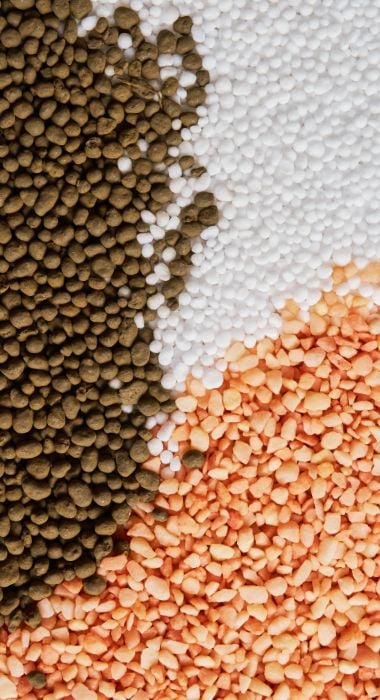
Organic Nutrients vs Synthetic Nutrients for Autoflowers
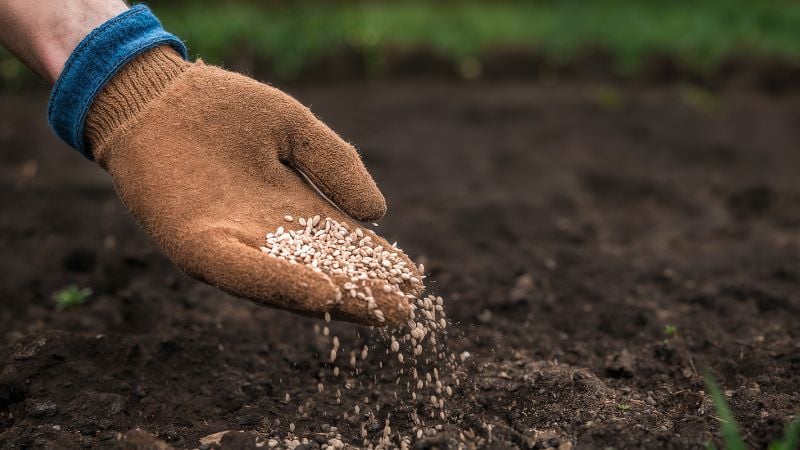
Organic and synthetic nutrients can both work for autoflowers. The better choice depends on your grow setup, how much control you want, and how hands-on you want feeding to be.
Organic nutrients are popular with growers who like soil-based grows. These can include compost, worm castings, kelp meal, fish-based nutrients, bone meal, and dry amendments. Instead of feeding the plant directly every time, organic growing focuses more on feeding the soil. A good living soil mix can give autoflower cultivars a steady food source without needing a complicated bottled nutrient schedule.
The main thing with organic nutrients is strength. Autoflowers can get stressed in soil that is too loaded with fertilizer, especially as seedlings. If you are using amended soil, keep it mild at the start or layer stronger amendments lower in the pot so young roots are not sitting in a hot mix right away.
Synthetic nutrients are usually liquid or powdered formulas that feed the plant more directly. They are common in coco, hydroponics, and indoor grows where the grower wants tighter control. With synthetic nutrients, you can adjust feed strength by stage, which is helpful when autoflowers move from veg to flower quickly.
The tradeoff is that synthetic feeding requires more attention. You will want to watch pH, measure carefully, and avoid full-strength feeding unless you already know that specific cultivar can handle it. Too much synthetic fertilizer can build up in the root zone and lead to burnt leaf tips or nutrient lockout.
For beginners, the easiest setup is usually mild soil with simple organic support or a gentle two-part grow and bloom nutrient line. For growers using coco or hydro, synthetic nutrients make more sense since those mediums need a more active feeding plan.
Best Growing Mediums and How They Change Nutrient Needs
The best nutrient plan for autoflowers depends heavily on what they are growing in. Soil, coco, hydro, and living soil all hold and deliver nutrients in different ways, so the same feeding schedule will not work for every setup.
Soil is usually the easiest starting point. A quality potting mix often has enough food to carry young autoflower seedlings through the first couple of weeks. From there, you can start adding light nutrients as the plant gets bigger. The key is to avoid soil that is too strong right out of the bag, since hot soil can burn small autoflower roots early.
Coco coir is more hands-on. Coco does not feed the plant like soil does, so growers usually add nutrients earlier and more often. It also tends to pair well with Cal-Mag, especially when using filtered water or strong LED lighting. If you grow autoflowers in coco, pH and runoff matter a lot more.
Hydroponics gives the roots direct access to a nutrient solution. This can lead to fast growth, but it also leaves less room for sloppy feeding. Hydro growers need hydro-specific nutrients, steady pH checks, clean water, and a close eye on EC or PPM.
Living soil works a little differently. Instead of feeding bottled nutrients every few days, the grower builds a rich soil mix with compost, worm castings, dry amendments, and beneficial microbes. For autoflowers, the mix should be balanced but not too hot. A mild living soil can keep the plant fed from seed to harvest with very little extra work.
No matter which medium you choose, drainage and oxygen matter. Autoflowers do not like sitting in soggy roots. Perlite, fabric pots, and careful watering can help the root zone stay airy, which makes it easier for the plant to take in the nutrients you are giving it.
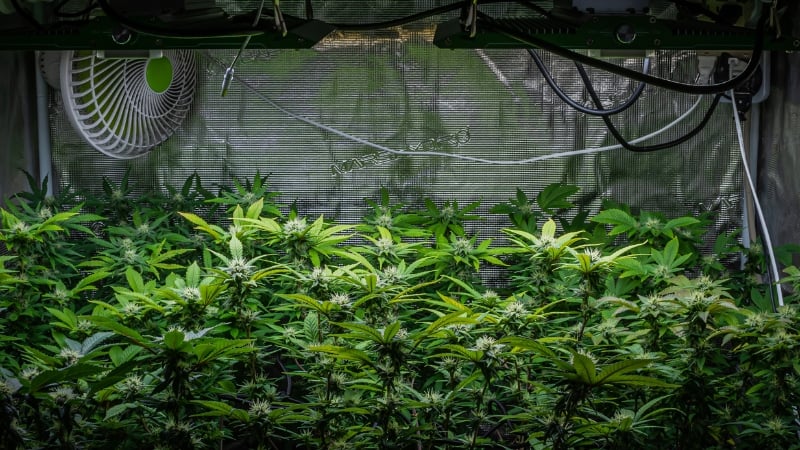
How Much Nutrients Should Autoflowers Get?

Autoflowers usually want less food than most growers expect. A good starting point is about one-quarter to one-half of the nutrient strength listed on the bottle. From there, you can slowly increase if the plant looks healthy and is asking for more.
Many feeding charts are written with larger photoperiod plants in mind. Autoflower cultivars have a shorter lifecycle and smaller root systems early on, so they can get overwhelmed if you follow those charts at full strength right away.
Your plant will tell you what it needs if you pay attention. Light green growth that fills in quickly is a good sign the feeding level is working. Burnt leaf tips, very dark leaves, or a clawed look usually means the feed is too strong and needs to be backed off.
Runoff can give you useful clues as well. If nutrients are building up in the medium, it can lead to salt buildup around the roots, which makes it harder for the plant to take in water and nutrients properly. Keeping feeding levels moderate and consistent helps avoid that.
At the end of the day, simple wins here. Start low, make small adjustments, and let the plant guide your next move instead of pushing it harder than it needs.
pH and Nutrient Uptake
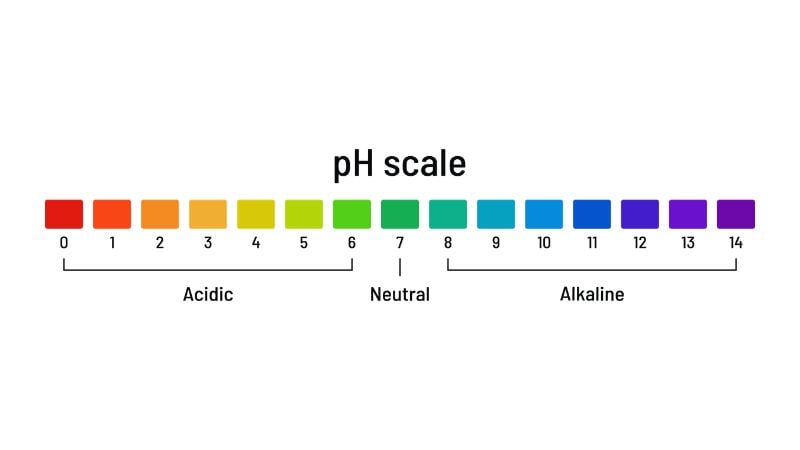
You can feed your plants the right nutrients and still run into problems if the pH is off. pH controls how well the roots can take in nutrients. When it drifts out of range, the plant can struggle to absorb what is already sitting in the soil or solution.
For soil grows, a pH around 6.0 to 7.0 works well for most autoflower cultivars. In coco or hydro setups, a slightly lower range around 5.5 to 6.5 is more common. Staying in these ranges helps keep nutrients available to the plant instead of getting locked out.
When pH gets too high or too low, you might see symptoms that look like nutrient deficiencies. Leaves can yellow, growth can slow, and the plant can look off even though you are feeding it regularly. In a lot of cases, the issue is not a lack of nutrients. It is that the plant cannot access them.
A simple pH pen or test kit can save a lot of headaches. Check your water before feeding, and keep things consistent. Autoflowers do not have much time to recover from stress, so keeping the root zone stable goes a long way in keeping the grow on track.
Signs Your Autoflower Needs Nutrients

Autoflowers usually give you clear signals when they are running low on nutrients. The key is catching it early instead of waiting until the plant is struggling.
One of the first things growers notice is color. Healthy plants stay a nice, even green. If new growth starts coming in pale or the lower leaves begin to yellow sooner than expected, the plant may be asking for more nitrogen or a more balanced feed.
Growth rate is another clue. Autoflower cultivars move fast when they are happy. If your plant seems stalled, small for its age, or not filling out, it can point to a lack of available nutrients. Weak stems or thin branches can show the same thing.
Leaf condition matters too. Droopy leaves are often tied to watering habits, but if the plant is properly watered and still looks sluggish, nutrients could be part of the issue. Keep in mind that not every problem is a feeding issue. pH imbalance, poor drainage, or lack of oxygen at the roots can look similar.
The best move is to adjust slowly. If you think your autoflower needs more nutrients, increase feeding a little at a time and watch how the plant responds over the next few days. Clean, steady growth is a good sign you are back on track.
FAQs
Do autoflowers need special nutrients?
Not really. Autoflower cultivars use the same basic nutrients as other cannabis plants, but they usually prefer lighter feeding. A simple grow and bloom nutrient setup works well for most growers.
When should I start feeding my autoflowers?
Wait until the seedling has a few sets of true leaves before adding nutrients. If you are using a quality soil mix, it may already have enough food for the first couple of weeks.
Can autoflowers get nutrient burn easily?
Yes. Autoflowers can burn faster than many photoperiod plants, especially early on. Start with low-strength feeding and increase only if the plant looks ready for more.
What is the best pH range for autoflowers?
For soil grows, aim for a pH between 6.0 and 7.0. For coco or hydro setups, a range around 5.5 to 6.5 helps keep nutrients available to the plant.