

How to Identify Male Cannabis Plants
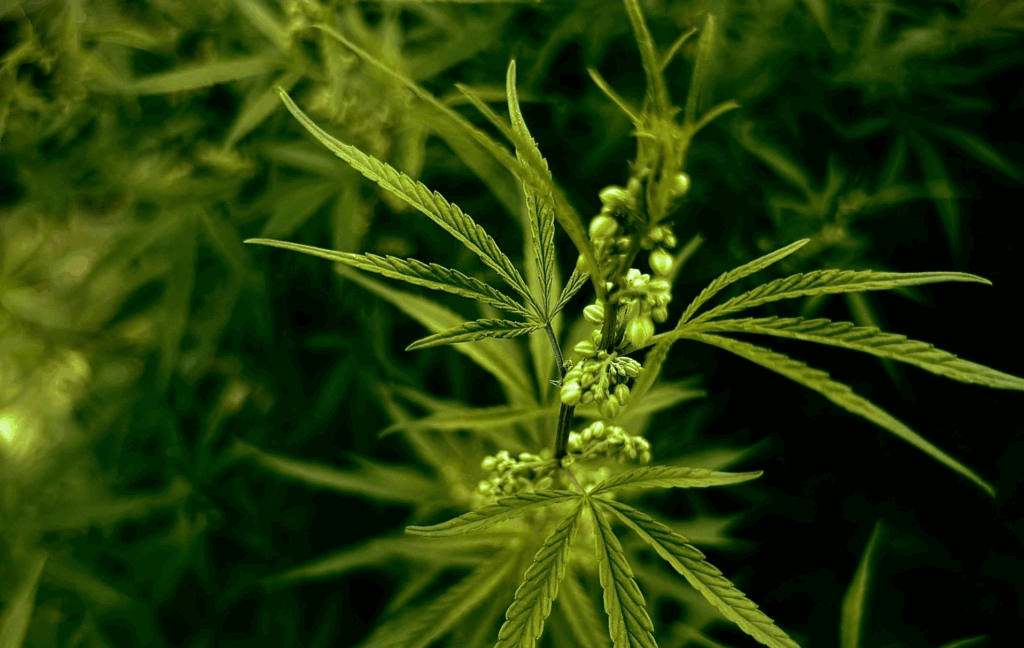
For beginner growers, learning how to spot early signs of a male plant is one of the most important skills to develop. While male plants have many uses and play a vital role in breeding new strains, growers tend to separate them from female plants for a few key reasons.
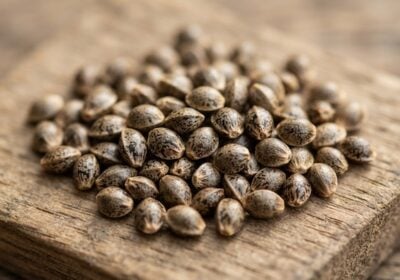
One key way growers virtually eliminate the chance of any male plants is by using feminized seeds. These seeds have innately changed the way many growers cultivate strains. While they have a near-100% success rate, it’s still a good rule of thumb to be able to spot a male plant, no matter how low the odds are of encountering one. Below, we cover some simple ways to separate male plants from a female crop.
Why do growers choose to separate male plants?
While male plants have many purposes, they don’t produce buds—the portion of the cannabis plant that produces marijuana’s trademark high. They can, however, pollinate nearby female plants. When this occurs, the female plant tends to shift some of its energy away from producing resinous, potent flowers and also focuses on seed production. This split in energy can result in buds that are less powerful, less flavorful, and produce a harsher smoke.
To avoid this outcome, growers often separate their male and female plants early on. While it’s a good rule of thumb to identify male plants before the pollen sacs open, it’s also important to avoid rushing the process or jumping to conclusions too soon.
There are some key ways to distinguish between the two, but it’s always good to wait until you’re sure.
Check the nodes
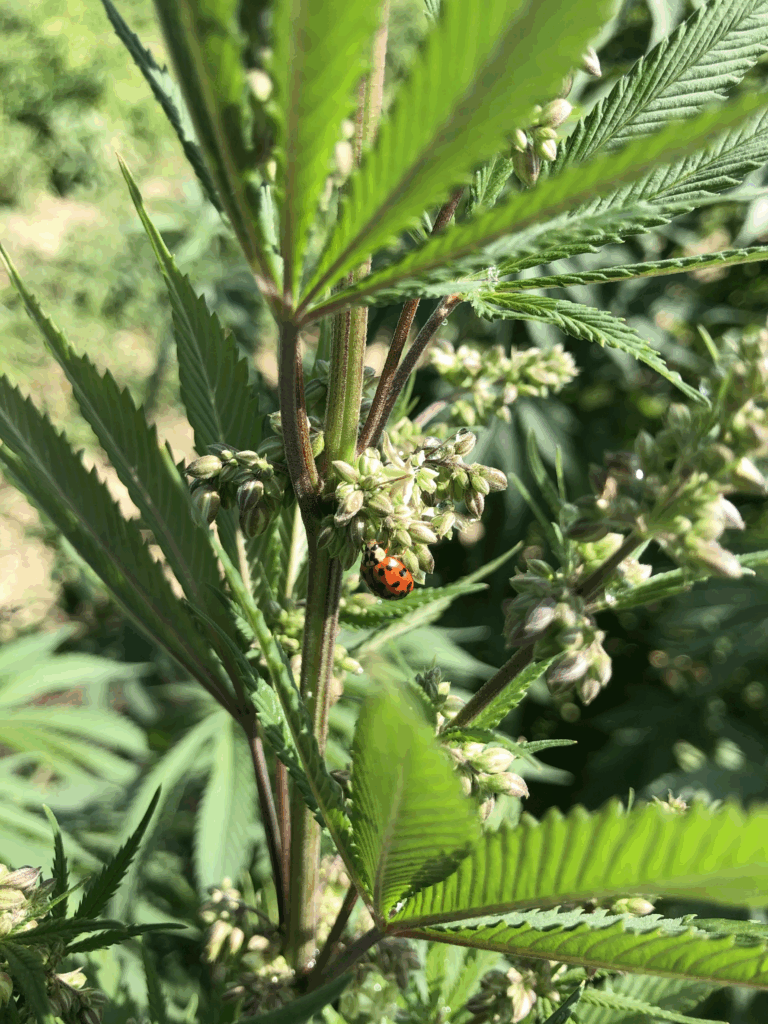
Both male and female cannabis plants develop pre-flowers on their nodes. These typically appear on the nodes of the plant—the portion where the branch meets the stem. These pre-flowers can look very similar at first, but will slowly diverge in their appearance.
Don’t worry about inspecting every leaf or every inch. Instead, try focusing on the joints where the branches connect to the main stalk, especially on the upper and middle portions of your plants. The clearest sign of a male cannabis plant is the appearance of pollen sacs at the nodes. These may look indistinguishable from female pre-flowers at first, so if you don’t see any clear differences, go ahead and give your plants some more time.
For most beginner growers, the simple rule is this: round sacs without white hairs usually mean male, while teardrop-shaped calyxes with white hairs usually mean female. Pollen sacs also tend to pull away from the node as they mature, and may look like small bunches of grapes. Early signs of female plants include pre-flowers that sit closer to the node, with only the pistils reaching outward.
Depending on the strain, growing conditions, and light schedule, signs may appear a few weeks into the vegetative stage or soon after the plant begins flowering.
Observe growing differences
Male plants tend to stretch earlier than female plants and are typically taller overall. Checking for these visual signs isn’t a surefire way to know which is which, but if you already have a hunch based on other factors, they’re a great way to help you zero in on the answer.
Do not remove a plant too early unless you are sure. Young cannabis plants can produce small growths that are easy to misread. Stipules are narrow green points near the nodes that can sometimes be mistaken for male or female pre-flowers. However, they grow on all cannabis, meaning they don’t really help you identify male vs female weed plants. Feminized seeds can sometimes produce hermaphrodite traits under especially harsh environmental conditions, such as prolonged heat or nutrient toxicity.
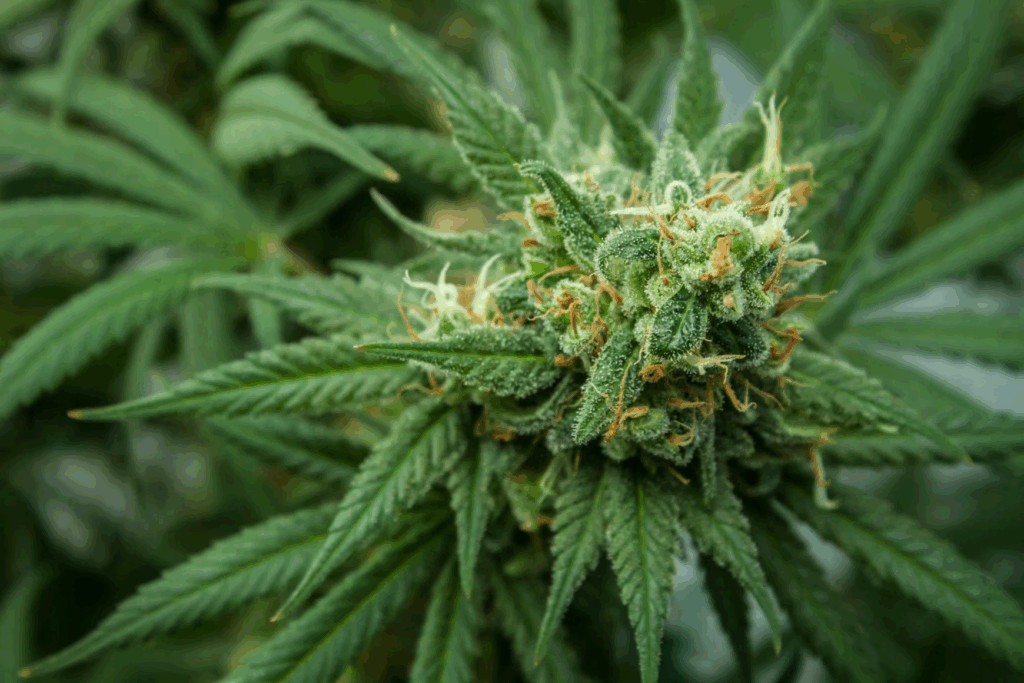
A magnifier can also help. You do not need fancy equipment, but a small jeweler’s loupe or macro lens can help highlight clear differences that may be missed with the naked eye. Good lighting helps, too, as does checking your plants consistently.
I found a male cannabis plant. Now what?
If you find a confirmed male and you do not want seeds, remove it carefully. Try not to shake the plant, especially if the pollen sacs look developed. If the plant is indoors, some growers lightly mist it with water before removal because moisture can help reduce loose pollen from floating into the air. Then bag the plant and move it away from the grow area.
Trust Your Instincts + Try Feminized Seeds
Identifying male cannabis plants gets easier with practice. At first, every bump at the node can look suspicious. While you’re unlikely to have male plants when using feminized seeds, it does occur rarely. Thankfully, there’s a silver lining. While reading up on the visual differences is great knowledge to have, comparing real pollen sacs and real buds side by side makes the differences clear. The safest approach is patience plus regular inspection: check the nodes, wait for clear signs, and act before the pollen sacs open.
Additionally, by using feminized seeds, there’s a slim-to-zero chance you’ll come across any male plants at all. Our library contains only hand-selected, high-quality seeds and includes a large variety to suit every taste, from vintage landrace strains to modern hybrids.


No Comments