
For many cannabis enthusiasts, growing is only part of the journey. After months of dialing in lighting, nutrients, and environmental conditions, the harvest is finally ready to cure and enjoy! While smoking dried flowers remains the traditional choice, weed pens, including dry herb vaporizers, typically produce a more potent flavor and aroma than combusted bud. For this reason, they’ve become an increasingly popular way for cannabis growers and users to enjoy a fuller, more flavorful experience.
What Is a Weed Pen?
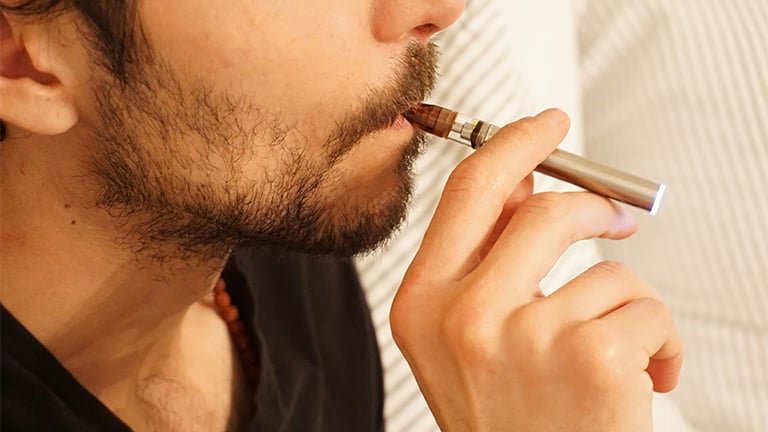
A weed pen is a portable vaporizing device designed to heat cannabis extracts, concentrates, or ground cannabis flower without combustion. The term most commonly refers to extract-based cartridge or disposable pens, but it can also describe a dry herb vaporizer designed specifically for ground cannabis flower. Many store-bought vape pens use pre-filled cannabis oil cartridges, while others are designed for concentrates such as wax or rosin.
Oil-cartridge vape pens pair a battery with a pre-filled cannabis oil cartridge. Typically the cartridge will contain distillate, live resin, rosin, or another extract. Disposable weed pens are sealed, all-in-one products. The cartridges can’t be replaced, and the device is meant to be thrown away once empty. Concentrate, or dab pens are the third main option. These tend to be made for thicker extracts, such as wax or rosin. Instead of a pre-filled cartridge, they have a chamber that can be re-filled by the user.
Dry herb vaporizers are an especially convenient choice for cannabis growers. Unlike the choices listed above, they don’t require any kind of extract whatsoever. Cultivators can simply grind their harvested flower and place it in the device’s small chamber or oven.
Weed Pen vs. Vape Pen: What’s the Difference?
A weed pen is a type of vape pen designed for cannabis- or hemp-derived materials. “Vape pen” is a broader term that can also refer to devices intended for nicotine e-liquid or other non-cannabis formulations. In other words, every weed pen is a type of vape pen, but not every vape pen is intended for weed. CBD-specific products are often more precisely called CBD vape pens or CBD vapes.
One important note is that not every device shaped like a pen is designed for the same cannabis material, and the products they contain shouldn’t be treated as interchangeable. Before using any vaporizer, it is important to confirm whether it is intended for flower, pre-filled oil cartridges, or concentrates.
Photo by Renz Macorol
Why Some Growers Prefer Vaporization
One reason weed pens have become popular is their ability to showcase subtle terpene profiles. When cannabis is combusted, it’s not uncommon for the high temperatures to alter or even destroy the buds’ aromatic compounds.
Vaporization operates at lower temperatures, which can allow more of your buds’ unique characteristics to shine through. Growers who spend considerable effort preserving terpenes during drying and curing often appreciate being able to experience those flavors and aromas more clearly.
There’s also another perk: efficiency. Because vaporization heats cannabis rather than burning it, many users find they need less material to achieve their desired experience compared to traditional smoking methods.
The Different Types of Cannabis Vape Pens
Cartridge Vape Pens
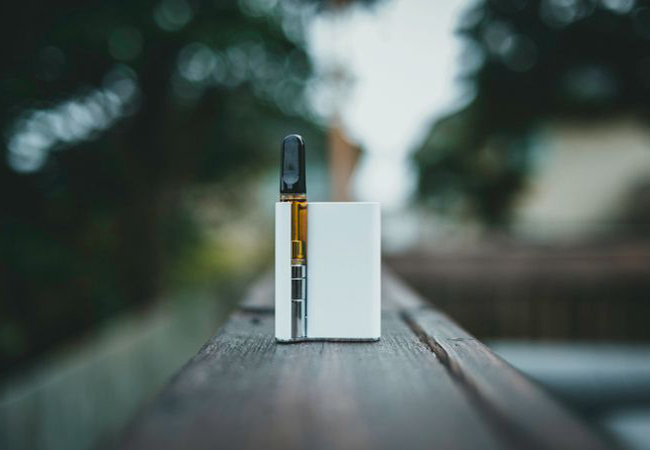
Cartridge vape pens pair a rechargeable battery with a pre-filled vape cartridge containing cannabis extract. Oftentimes, they use a 510-thread connection, which allows compatible cartridges to be removed and replaced as needed. However, some brands instead use proprietary pods that work only with a matching battery.
The cartridges hold a cannabis extract that’s formulated for vaping. It may be distillate, live resin, live rosin, or another type of concentrate. The cartridge also contains a heating element, such as a coil or ceramic core. The cartridges are intended to be replaced entirely once they’re empty, rather than refilled.
Disposable Weed Pens
These devices combine a battery and pre-filled cannabis extract in one ready-to-use pen. There is no separate cartridge to attach or replace: once the extract is gone, the entire pen is finished.
Like any electronic vaping device, a disposable pen eventually becomes e-waste. Cartridge vape pens can be a lower-waste option because their rechargeable batteries can be used with multiple compatible cartridges. A disposable pen, by contrast, discards its battery, electronics, and extract reservoir together after one product cycle.
Concentrate Pens
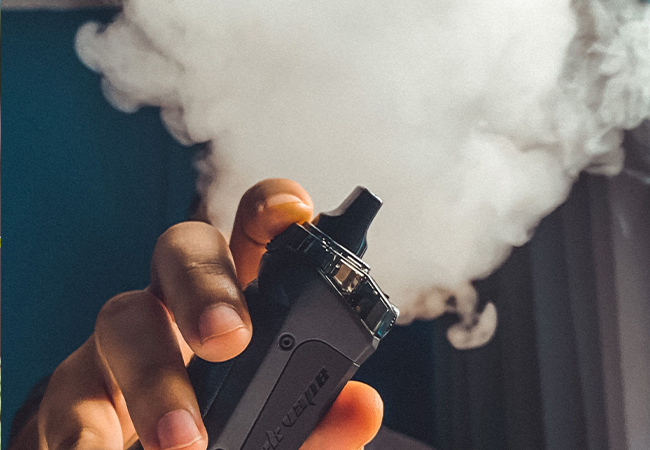
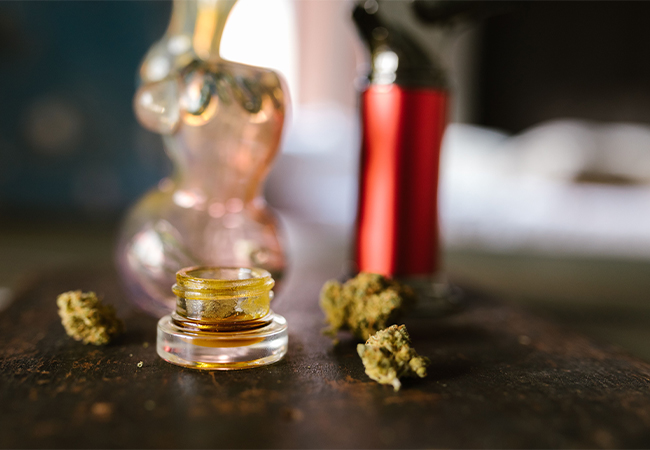
Commonly referred to as dab pens or wax pens, concentrate pens use an open heating chamber rather than a pre-filled vape cartridge. Typically, these pens are designed for thicker cannabis concentrates such as wax, shatter, rosin, badder, crumble, and some live resin products.
Unlike cartridge pens, concentrate pens require the user to handle and load the extract themselves, typically with a small dab tool. This process does require some additional effort and cleanup, but on the plus side, allows users to choose the concentrate they load.
Photo by RDNE Stock project
Dry Herb Vaporizers and Cannabis Flower
For cannabis growers, dry herb vaporizers are often the most relevant category because they use the flower itself, rather than a processed extract. Sometimes referred to as cannabis flower vaporizers, they heat ground cannabis flower in a small chamber or oven, and aren’t designed for oils or concentrates.
The slimmest choices what most people think of when they hear “dry herb vape pens,” although these portable devices do come in a range of sizes. Whatever their shape, they’re designed specifically for ground flower and should only be used with the material specified by the manufacturer.
Some growers also prefer dry herb vapes because they offer a more direct connection to the plant itself, and allow their handiwork to truly shine. With no extraction or formulation step required, the experience tends to more closely reflect the growing conditions and post-harvest care that shaped the bud.
Conduction, Convection, and Hybrid Heating
Most dry herb vaporizers heat ground flower in one of three ways: through conduction, convection, or a hybrid of the two. Conduction involves bringing cannabis flower into direct contact with a hot surface, while convection involves moving heated air through or around the flower. Hybrid devices combine both methods. These systems can influence how evenly the flower heats, but no one approach is automatically best for every cultivar or consumer.
From Trichomes to Vapor: Why Flower Quality Matters
Bud quality makes a significant difference in the vaping experience. While a strain’s genetics influence its aroma and resin production, cultivation, harvest timing, drying, and curing practices are what truly makes or breaks the final results.
While the frosty coating on mature cannabis flowers is certainly eye-catching, it’s more than just cosmetic. It consists of many stalked glandular trichomes, the portion of the plant responsible for producing cannabinoid and terpene-rich resin (Tanney et al., 2021, Punja et al., 2023). Cannabinoids are what give marijuana its potency and psychoactive effects, while terpenes shape much of a strain’s scent and flavor. When ground flower is heated, its cannabinoids and terpenes are released as vapor.
Thoughtful cultivation and careful post-harvest handling help preserve the potency and flavor of the buds that ultimately go into a vaporizer. If you’re hoping to produce the best bud possible for a dry herb vape, we have a number of guides that can help you level up your cannabis knowledge.
Photo by Jonathan Cooper
Safety Considerations for All Vape Pens
Cannabis vaporization is not risk-free, and different vape products can carry different concerns. Product type, device quality, extract formulation, and the source of those products all matter.
Research suggests that some vaporization methods may reduce certain respiratory risks associated with cannabis combustion, but this does not mean every vape product is equally safe. Consumers should use devices only as intended, avoid unregulated or untraceable products, and never modify cartridges or add unknown substances.
The Best Cannabis Strains for Dry Herb Vaporizers
Terpene-rich cultivars with intense flavor and aroma profiles typically shine the brightest in a dry herb vaporizer. Some cultivars are particularly well-suited to dry herb vaporizers because their terpene profiles remain noticeable at lower temperatures. Flavor-forward strains can reveal layers of aroma and taste that are often less distinct when the buds are combusted.
Blue Dream
This strain is known for sweet berry notes with herbal and pine undertones. While these can be dulled slightly when combusted, a dry herb vaporizer helps ensure each note emerges with greater clarity.
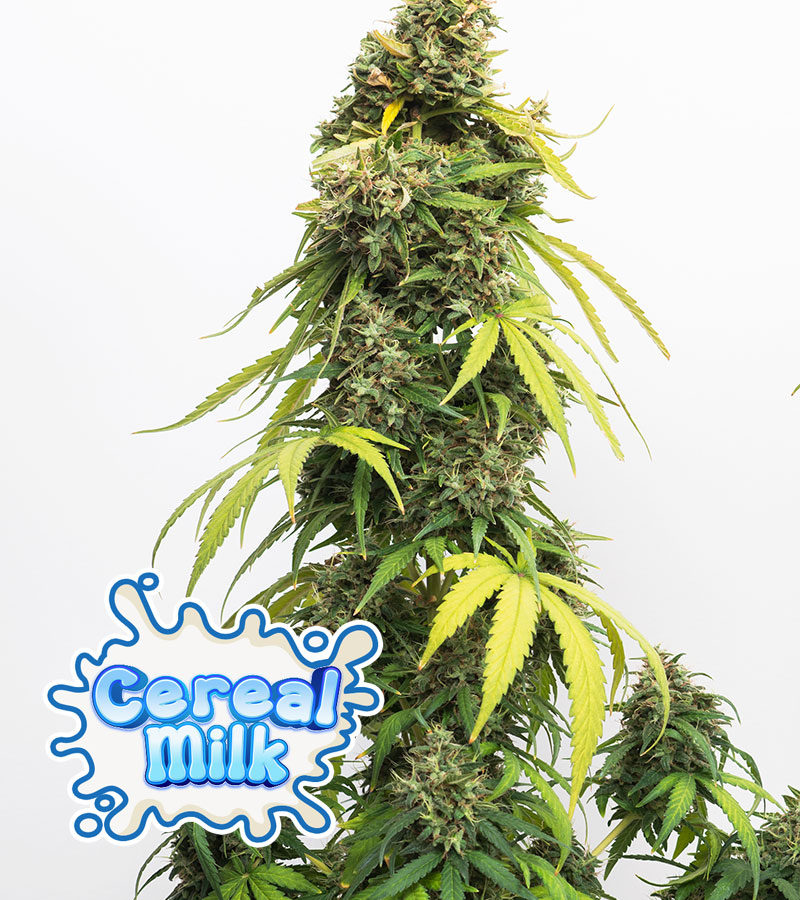
Cereal Milk
The Cereal Milk strain has sweet, creamy, and fruity notes that shine all the brighter when vaporized. These notes make this strain’s mood-boosting high all the more enjoyable and robust.
Sour Diesel
This sativa-dominant classic is routinely praised for its tart, pungent flavor. Sour Diesel’s fuel-like notes are accompanied by pops of citrus, pine, and spice. These sharper elements are still plenty potent when the buds are ignited, but tend to make the strongest statement when vaped.
Granddaddy Purple
This sativa-dominant classic is routinely praised for its tart, pungent flavor. Sour Diesel’s fuel-like notes are accompanied by pops of citrus, pine, and spice. These sharper elements are still plenty potent when the buds are ignited, but tend to make the strongest statement when vaped.
Chocolate Thai
Chocolate Thai brings a dense, dark flavor that can be especially powerful when vaporized. Many growers compare its fragrance and taste to flourless chocolate cake, espresso, and nuts.
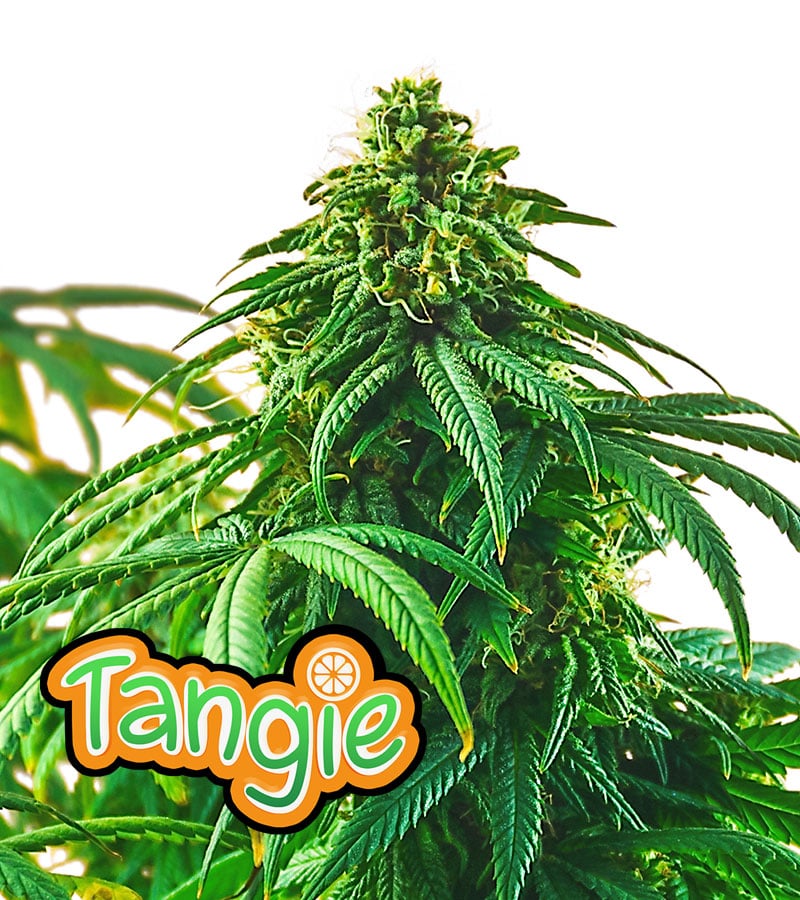
Tangie
This Amsterdam-born strain’s dominant terpenes are humulene, pinene, and myrcene. Replete with sweet, tropical notes and a spritz of citrus, it’s a go-to choice for those who prefer a fruity fragrance. Adding the grind to your dry herb vaporizer is an excellent way to give the flavor profile some added edge.
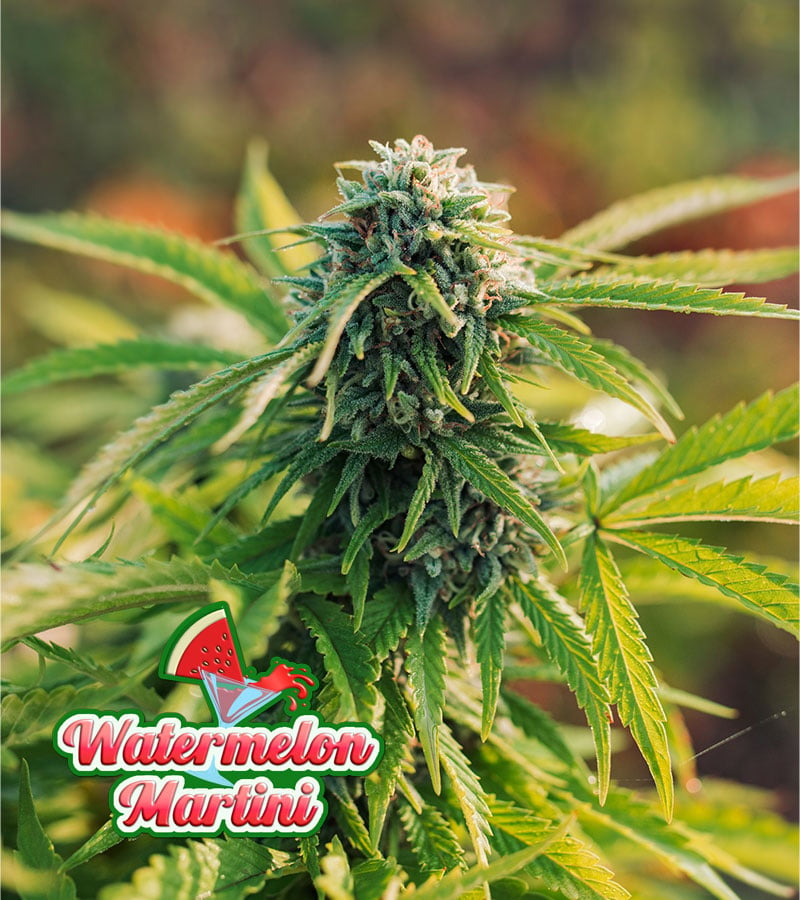
Watermelon Martini
This sativa-dominant treat is packed with THC and bright, fruity flavor. Many fans describe its fragrance and taste as a mixture of citrus and fresh herbs. Its touch of fuel adds a sense of intrigue, making this strain an excellent candidate for a dry herb weed pen.
How to Choose the Best Dry Herb Vaporizer
Some dry herb vaporizers are built around precision and maintaining a flavor’s clarity. Using more direct heating methods that highlight subtle terpene differences and make them ideal for small, deliberate sessions where you’re comparing phenotypes or checking cure quality.
Others lean toward ease of use and consistency, offering smooth, forgiving draws with strong airflow and simple controls. These tend to be better for everyday, repeated use, where convenience matters more than extracting every nuance. Some are also designed for efficiency and intensity, delivering dense, concentrated vapor quickly with minimal waiting time. These are useful when you’re looking for a short, controlled session.
If you’re not sure where to start, we recommend checking out dry herb vaporizers from Storz & Bickel, Arizer, and PAX. Storz and Bickel vaporizers are considered the gold standard for many cannabis growers and tend to be a bit more substantial in size. They’re a good fit for those who favor dense, high-quality vapor over portability.
Arizer are for those who value practicality. Simple and easy to clean, they’re a straightforward choice for flavor-chasers or anyone looking for a slightly more affordable selection. PAX items have a sleek design and fast heating time. Their portable vape pens are small enough to carry around in your pocket and tend to produce less visible vapor.
In short, “best” depends less on the device itself and more on your individual preferences.
Getting the Most from Homegrown Cannabis
A quality harvest deserves careful preparation before it ever reaches a vaporizer. Just remember that proper handling after you harvest your plants can make a significant difference in how flavorful they remain. Even the most aromatic strains can lose their appeal if the flowers are dried too quickly, cured improperly, or stored in poor conditions. For growers interested in vaporization, preserving terpene content should remain a priority throughout the growing process as well as post-harvest.
Photo by adrian vieriu
How to Grind Cannabis for a Dry Herb Vaporizer
Before you begin, make sure your flowers are fully dried and cured. Excess moisture can affect vapor production, while overly dry cannabis may produce a harsher experience and diminished flavor.
Now you’re ready to grind your flower! Start by breaking larger flowers into smaller pieces and
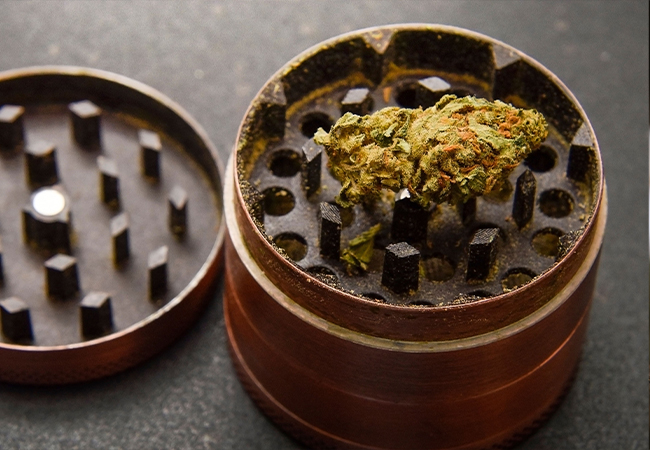
placing them in a cannabis grinder. Rotate the grinder several times until the material reaches a uniform consistency. Aim for a medium, even grind without any larger chunks of flower. Creating a medium, even grind without any larger chunks of flower will encourage good airflow and vaporization. The finished grind should feel fluffy and evenly textured rather than compressed or dusty.
Now it’s time to load the grind into your dry herb vaporizer! Loosely fill the chamber, but avoid overpacking. This will help produce more consistent vapor while preserving your strain’s unique flavor.
The Bottom Line
Weed pens aren’t just for dispensary shoppers. For home growers, they offer another way to enjoy the results of a successful harvest. A dry herb vaporizer is one of the simplest ways to highlight the unique flavor, aroma, and characteristics you’ve worked to cultivate.
If you’re curious about growing your own cannabis to use in a dry herb vaporizer, we encourage you to take a peek at our wide selection of strains. While growing cannabis is about producing impressive buds, it’s also about experiencing the plant at its very best. For many cultivators, a quality weed pen is a key tool for doing precisely that.
FAQs on Cannabis for Creativity
Do weed pens produce a strong scent?
Most weed pens produce less odor than smoking flower, but they are not odor-free. The aroma is typically lighter and dissipates more quickly, but this can vary depending on the device you’re using, the cannabis extract that device contains, or, when it comes to dry herb vapes, the aromatic potency of the ground flower.
Can freshly harvested cannabis be used in a dry herb vaporizer?
No. Cannabis should be properly dried and cured before vaporization. Freshly harvested buds may contain too much moisture.
Are certain terpene profiles better suited for vaporizers?
Highly aromatic cultivars often stand out in vaporizers. Citrus, fruit-forward, piney, and dessert-like profiles tend to be especially noticeable.
Can cannabis that's been stored for a long time still be vaporized?
Yes, provided it has been stored correctly. However, older buds may have reduced terpene content, which can affect flavor and aroma compared to freshly cured cannabis.
Can You Use Homegrown Cannabis in a Weed Pen?
It depends on the pen! Dry herb vaporizers are the most straightforward option for home growers. After properly drying and curing your harvest, you can grind your flower and pop it directly into the device. No extraction process is required.
Other weed pens use cannabis oils or concentrates such as rosin. While it’s possible to make your own rosin or extracts, the process is somewhat more complex and involves extra steps to ensure safety. As such, dry herb vaporizers provide the simplest way for growers to enjoy their cured cannabis in a combustion-free way.
References
Tanney, C. A. S., Backer, R., Geitmann, A., & Smith, D. L. (2021). Cannabis glandular trichomes: A cellular metabolite factory. Frontiers in Plant Science, 12, 721986. https://doi.org/10.3389/fpls.2021.721986
Punja, Z. K., Sutton, D. B., & Kim, T. (2023). Glandular trichome development, morphology, and maturation are influenced by plant age and genotype in high THC-containing cannabis (Cannabis sativa L.) inflorescences. Journal of Cannabis Research, 5, 12. https://doi.org/10.1186/s42238-023-00178-9
Kyle Roman
Related Posts
Leave a Reply Cancel reply
You must be logged in to post a comment.


No Comments