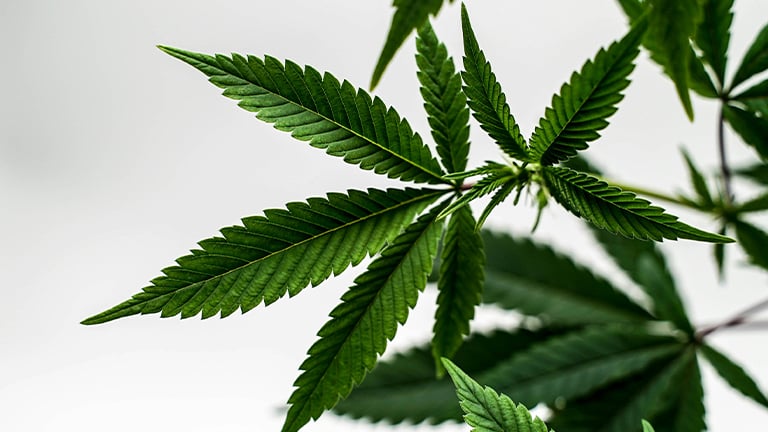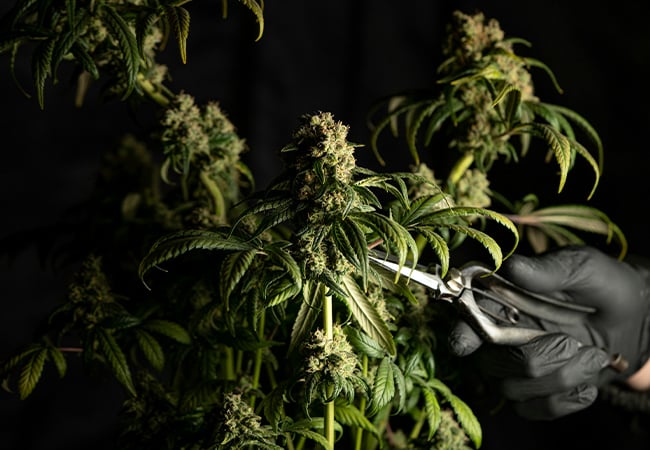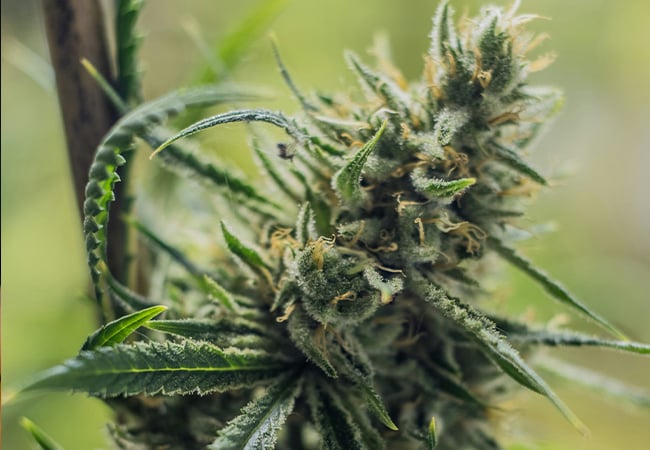

If you’re interested in growing cannabis but aren’t looking for intensely psychoactive effects, learning about CBD flower is an excellent place to start. CBD seeds can have many of the growing characteristics as traditional cannabis, but produce plants that are rich in cannabidiol (CBD) with much lower amounts of tetrahydrocannabinol (THC).
Cultivating CBD flower also gives new growers the chance to learn about the fundamentals of cannabis growing while producing some dazzling bud all at once. Whether you’re ready to try the process out for the very first time or simply adding something new to your garden, understanding how CBD strains differ can help you make a more informed choice about which seeds are right for you.
What Is CBD Flower?
CBD flower (or buds) are produced by cannabis plants with elevated levels of CBD. Even modest levels of 1-5% can meaningfully shape the overall profile and produce noticeably calming effects. High-CBD, low-THC strains often create a much milder experience than many of today’s psychoactive picks. Rather than an intense “high,” you may simply feel more relaxed, clear-headed, and at ease. These traits make CBD flower a popular option for those seeking a more even-keeled type of cannabis.
This said, your plants’ appearance, aroma, and growth habits won’t necessarily differ much just because they contain CBD. For beginners, the growing process can be just as approachable as cultivating a THC hybrid, provided you start with beginner-friendly, quality seeds and maintain a suitable environment. The primary difference between CBD and THC strains boils down to the cannabinoid content, rather than how the strain is grown.
A Brief History of CBD Flower
While cannabis has been cultivated for thousands of years, CBD wasn’t identified until 1940. (Kicman & Toczek, 2020) Chemist Roger Adams and his colleagues were able to isolate CBD in cannabis plants, which set the stage for further research. In the 1960s, Raphael Mechoulam and his team discovered CBD’s chemical structure. (Marc-Antoine Crocq, 2020)
In the decades that followed, however, cannabis breeding still focused squarely on maximizing THC content. It wasn’t until the 2010s that CBD flower began to enjoy its own time in the spotlight (Dance, 2019). Today, these calming strains remain an increasingly popular option for those seeking a milder experience.
Choosing Quality CBD Seeds
No matter your skill level, selecting reliable CBD seeds gives you the best chance of growing healthy plants and producing solid yields. If you’re not sure where to start, look for online seed banks that publish clear information about their strains’ cannabinoid content, growth characteristics, effects, and aroma or flavor. This is one of the best ways to set yourself up for success when learning how to grow high CBD cannabis, or any cannabis strain, for that matter.
If you’re equipped with the right info beforehand, it makes unexpected challenges all the less likely. As with any cannabis garden, healthy soil, proper lighting, consistent watering, and good airflow will have a much greater impact on your final results than any one growing technique.
CBD strains for beginners
Today’s growers have access to an impressive range of CBD picks, from indica-heavy choices to buzzy sativa hybrids. Some of these strains are bred precisely for their high CBD content, while others have a more balanced cannabinoid profile but still provide trademark CBD effects. Below, we’ve highlighted five CBD strains we like and think you will too.
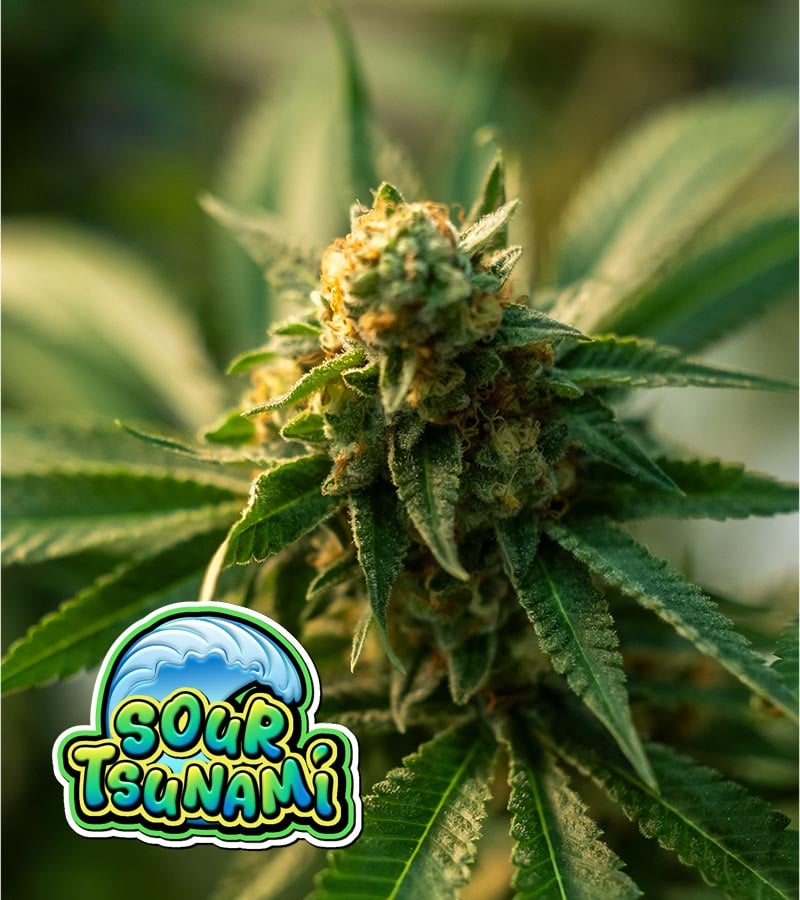
Sour Tsunami CBD: A Balanced Cannabinoid Blend
This California-bred hybrid is the offspring of Sour Diesel and NYC Diesel. One of the earliest cultivars designed to intentionally highlight CBD, it also contains 7% THC, making for an intriguing mixture of tranquil yet lightly psychoactive effects.
As a sativa-dominant hybrid, the Sour Tsunami strain provides a boost in focus and motivation. It also responds well to basic canopy management techniques such as ScrOG or low-stress training (LST) and fares well in less-than-consistent environmental conditions. This calming strain ensures a steady supply of thought-sharpening bud, with an added kick of THC.
ACDC CBD: Surprisingly low voltage
Contrary to its name, this strain is intensely serene. At 18% CBD and 2% THC, the ACDC strain serves up something much different than the traditional high. Free of the thunderstruck vibes commonly seen in high-THC strains, it’s well-known for its steady sense of clarity.
Structurally elegant, ACDC CBD plants are tall, slender, and respond especially well to trellising and staking. An ideal starting point for a first-time grower, this peaceful strain is a dependable choice that handles minor cultivation mistakes with grace.
Sour Space Candy: A Different Kind of Sugar Rush
Sour Space Candy has significant CBD levels, clocking in at around 20%. Meanwhile, its 1% THC levels barely make a dent. As such, it’s an excellent choice for those who prefer a deeply soothing smoke virtually free of psychoactive effects.
Famous for its exceptional resin production and dense buds, it’s also praised for its vibrant purple streaks and sparkling trichomes. Beginners also tend to fare well with this strain: naturally tough, it tends to rebuff mildew and mold. Sour Space Candy’s prismatic scent exudes green apple, citrus, and diesel, but many fans still claim its tranquil vibes are where this plant truly shines.
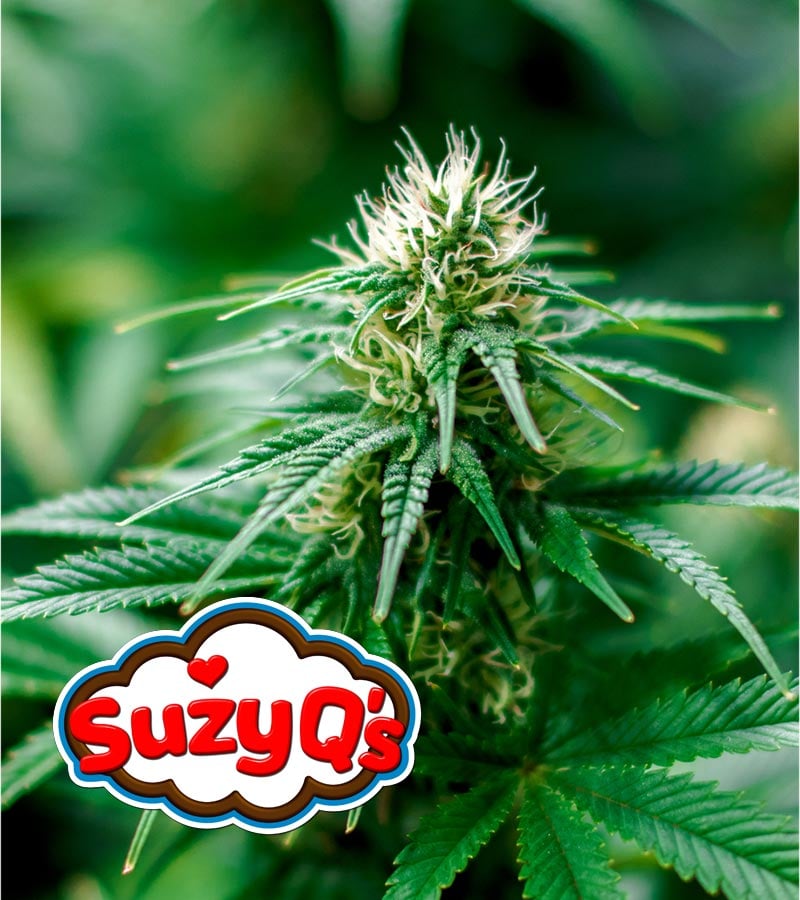
Suzy Q: Chart-topping CBD
If your main goal is an uncomplicated, reliable grow that yields peace of mind, Suzy Q is a stellar candidate. Growers wanting to sidestep psychoactive effects entirely will be pleased to hear that this plant has a 24:1 CBD-to-THC ratio, making it one of the most CBD-rich strains available today. While its THC content isn’t technically zero, its presence is negligible.
The mature buds have a subtle, understated beauty and are covered in a fine layer of trichomes. They also release a comforting aroma of spice, pine, and earth. Finally, this strain’s 1:1 indica-to-sativa ratio produces a balanced feel. Deeply relaxing, its grounding effects are ideal for the end of the day.
THC + CBD Strains
Some growers may actually want psychoactive effects, but appreciate a solid dose of comforting CBD on the side. Thankfully, there are several strains that serve up a mixture of both. The previously-mentioned Sour Tsunami strain has 7% CBD and 5% THC. Our Gary Payton strain is a hands-down THC powerhouse, but its 1% CBD content is still noteworthy, making this choice ideal for growers wanting to cultivate mind-bending, soothing bud.
Growing CBD flower successfully
CBD-rich strains don’t necessarily require a different approach than growing other cannabis plants. The same core principles apply from seedling through harvest, such as providing plenty of light, avoiding overwatering, and maintaining steady environmental conditions throughout the plant’s life cycle. Beginners often achieve better results by keeping their routine simple and avoiding complex training techniques unless truly required.
Pay close attention to your plants as they grow. Healthy leaves, sturdy stems, and fresh, vibrant growth are some of the most reliable signs of good health. Airflow also plays an important role as well, especially for bushier strains like Suzy Q CBD and Elektra CBD. Finally, proper ventilation helps regulate temperature, reduces excess humidity, and supports healthy flower development.
Harvesting and Curing
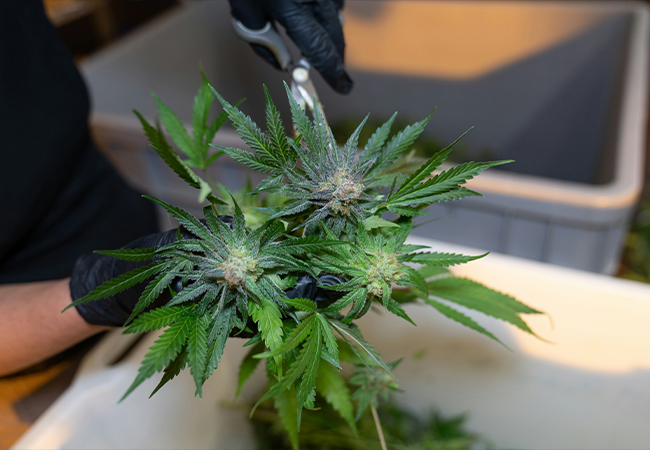
While growing your plants is a major part of the battle, what happens after can be equally important. If you’re looking to stick the landing, be sure your branches dry gradually in a cool, dark space. Once you’ve popped the buds into curing jars, try to open them periodically during the first few weeks. This will help release excess moisture while allowing the flowers to cure more evenly. Many growers find that patience during curing produces smoother, more aromatic flower in the long run.
A Final Note for New Growers
Growing your own CBD flower appeals to cannabis fans for a few different reasons. It’s one of the more practical and fulfilling ways to enjoy bud with milder psychoactive effects. But the cultivation process itself also provides an approachable way to learn about basic growing techniques.
Whether you’re looking to learn cultivation basics, explore different cannabinoid profiles, or simply enjoy the satisfaction of producing your own harvest, high-quality CBD seeds are an excellent way to kick off the process. As your confidence grows, you’ll be able to experiment with different cultivars and discover which strains perform best in your growing environment.
References
Kicman, A., & Toczek, M. (2020). The effects of cannabidiol, a non-intoxicating compound of cannabis, on the cardiovascular system in health and disease. International Journal of Molecular Sciences, 21(18), 6740. https://doi.org/10.3390/ijms21186740
Crocq, M.-A. (2020). History of cannabis and the endocannabinoid system. Dialogues in Clinical Neuroscience, 22(3), 223–228. https://doi.org/10.31887/DCNS.2020.22.3/mcrocq
Dance, A. (2019, November 14). As CBD skyrockets in popularity, scientists scramble to understand how it’s metabolized. Scientific American. https://www.scientificamerican.com/article/as-cbd-skyrockets-in-popularity-scientists-scramble-to-understand-how-its-metabolized/
FAQs
Will CBD flower always have zero psychoactive effects?
Not necessarily. While many people experience little to no intoxication, most CBD flower still contains trace THC, which can produce mild effects in some individuals depending on their tolerance and the amount.
Are CBD cultivars more difficult to grow than THC-heavy strains?
They are generally grown the same way. The main differences will come down to the plant structure, sensitivity to environmental changes, and nutrient preferences, rather than their cannabinoid levels.
Do CBD strains still produce trichomes like high-THC plants?
Yes. CBD-dominant plants still produce abundant trichomes. Resin production is a normal part of cannabis biology and is not dependent on cannabinoid levels. For this reason, many CBD strains are quite fragrant.
What determines whether a CBD strain leans more calming or more energizing?
Indica-to-sativa ratio typically impacts how energetic or relaxing a strain is, rather than CBD content.
What does it mean if a CBD strain also has THC?
It just means the plant isn’t entirely free of mind-altering or psychoactive effects. Most CBD-focused flower still has a little THC in it. For example, the Harlequin strain has 15% CBD, but also 7-15% THC.
In practice, that usually means you still get the calmer, more clear-headed kind of experience people look for with CBD flower, but depending on the THC levels, potentially some light psychoactive effects.
Kyle Roman
Related Posts
Leave a Reply Cancel reply
You must be logged in to post a comment.


No Comments