

What Does Powdery Mildew on Cannabis Plant Mean?
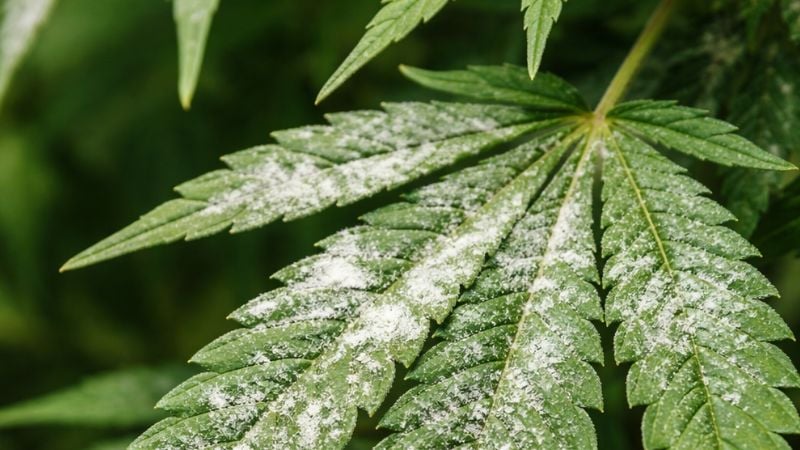
If you’re seeing a dusty white coating show up on your leaves, you’re dealing with powdery mildew on a cannabis plant. It’s one of the most common issues growers run into, and it usually points back to your environment being just a little off. The good news is it’s easy to spot early, and once you understand what it means, you can fix it and keep your cultivars on track.
What Is Powdery Mildew on a Cannabis Plant?
Powdery mildew on a cannabis plant is a fungal disease that shows up as a white, powdery coating on the surface of leaves. It usually starts as small white spots on fan leaves, then spreads across the leaf surface as the fungal spores grow and multiply. At a glance, it looks like someone dusted your plant with flour, and once it takes hold, it can move fast.
This fungus lives on the outside of the plant tissue, feeding off the leaf without needing standing water. The spores spread through the air, which means even a small outbreak can quickly reach other plants in your grow space. That’s why you’ll often see it pop up in multiple spots at once, especially in areas with limited airflow.
Powdery mildew is one of the more common plant pathogens growers deal with. Cannabis plants can develop it at any stage, from early veg through flowering, and it tends to show up when conditions lean toward higher humidity and stagnant air. Catching it early makes a big difference, since those first white spots are much easier to manage than a full layer covering your leaves.
What Causes Powdery Mildew on Cannabis Plants?
Powdery mildew usually comes down to your grow environment being slightly out of balance. The biggest trigger is high humidity. When moisture hangs in the air and doesn’t move, it creates the kind of conditions fungal spores love. Add in poor airflow, and you’ve got stagnant pockets where mildew can take hold and spread.
Temperature plays a role too. Mild, stable temps paired with humidity give spores an easy lane to grow across leaf surfaces. You don’t need soaking wet leaves for this to happen either. Powdery mildew thrives in humid air alone, which is why it can show up even when your plants look dry.
Airborne spores are always around, especially in indoor grows or outdoor gardens with shifting weather. Once they land on a leaf in the right conditions, they start growing fast. If your canopy is dense or your plants are packed too close together, airflow gets blocked and moisture sticks around longer, making things worse.
Plant stress can push things further. When cannabis plants are struggling from inconsistent watering, weak lighting, or overcrowding, they’re more likely to develop issues like mildew. Dialing in your environment and giving your cultivars room to breathe goes a long way in keeping it from showing up in the first place.

Early Signs of Powdery Mildew on Cannabis Leaves
Powdery mildew usually shows up quietly at first. You’ll notice small white spots on the surface of your cannabis leaves, often on the upper side of fan leaves. At this stage, it can look like a bit of dust or residue, which is why it’s easy to miss if you’re not checking your plants closely.
As it develops, those spots start to spread and connect, forming a thin, powdery layer across the leaf surface. The affected areas can lose their healthy green color and start to look dull or slightly yellowed. In tighter parts of the plant, like inner canopy zones or lower leaves, it can move even faster since airflow is more limited.
Catching these early signs is a big deal. Once powdery mildew covers larger sections of the plant, it becomes much harder to control. Regularly checking your leaves, especially in dense growth areas, gives you a chance to step in before it spreads across your cultivars.
What Powdery Mildew Means for Your Grow
Once powdery mildew shows up, it starts working against your plant right away. That white coating blocks light from hitting the leaf surface, which slows down how efficiently your cannabis plant can grow. Over time, this drags down overall plant health and limits how much energy goes into bud development.
As the infection spreads, it can reach sugar leaves and even your buds. That’s where things get more serious. Mildew on buds can affect how they look, smell, and hold up after harvest. Even a small amount of contamination can lower the quality of your final product, especially if it goes unchecked during flowering.
In more advanced cases, powdery mildew can take over large sections of the plant. When that happens, yields drop and you may end up removing big portions of the plant just to stop it from spreading. Staying on top of early signs keeps your cultivars producing the way you want and helps avoid losing part of your harvest.
How Powdery Mildew Spreads Between Cannabis Plants
Powdery mildew spreads fast, and most of it happens through the air. The fungal spores are lightweight, so once they’re released from an infected leaf, they move easily through airflow in your grow space. A single plant with mildew can quickly turn into multiple infected plants if the conditions are right.
Air circulation plays a big role here. Fans can help prevent mildew, but they can spread spores if an infection is already present. That’s why it often shows up in different areas at the same time. In dense canopies, spores get trapped between leaves, where humidity stays higher and airflow is limited.
It doesn’t stop with the air. Spores can hitch a ride on your hands, tools, or even clothing. If you’re moving between plants while pruning or checking them, you can unknowingly transfer mildew from one plant to another.
Tight spacing between cultivars makes things worse. When plants are packed together, leaves touch, airflow drops, and moisture lingers. That creates the perfect setup for powdery mildew to move quickly across your entire grow.

How to Get Rid of Powdery Mildew on Cannabis Plants
The first move is simple. Remove anything that’s already infected. Prune off leaves with visible powdery mildew and get them out of your grow space right away. Leaving them nearby just gives spores more chances to spread.
From there, you want to slow down and stop the fungus from growing. Many growers use treatments like neem oil or potassium bicarbonate sprays. These coat the leaf surface and make it harder for powdery mildew to keep spreading. Make sure you’re covering both the top and underside of the leaves.
Airflow and humidity need to be dialed in at the same time. Add or reposition fans so air is moving evenly through your canopy. If humidity is high, bring it down, especially during flowering. Powdery mildew thrives when the air stays damp and still.
Stay consistent with treatment and monitoring. One pass usually isn’t enough. Check your plants daily and reapply as needed until you’re not seeing new spots. The earlier you act, the easier it is to get your cultivars back under control.
How to Prevent Powdery Mildew in Future Grows
Prevention comes down to keeping your environment clean and balanced from the start. Good airflow is one of the biggest factors. Set up oscillating fans so air is always moving through and around your plants, not just above them. You want every part of your canopy getting steady circulation.
Humidity control matters just as much. Try to keep relative humidity lower as your plants move into flowering. When moisture hangs in the air, it creates the conditions powdery mildew needs to show up. A dehumidifier can help keep things in range if your space tends to stay damp.
Plant spacing and pruning make a difference too. Giving your cultivars enough room keeps leaves from stacking on top of each other and trapping moisture. Light defoliation opens up the canopy, letting both light and air reach deeper into the plant.
Keeping your grow space clean helps limit spores before they become a problem. Wipe down surfaces, keep tools clean, and avoid bringing contaminants in from outside. When your setup stays dialed in, powdery mildew has a much harder time getting started.

FAQs



No Comments