

Growing the Purple Haze Strain: Your Ultimate Guide



Should You Grow Purple Haze Outdoors or Indoors?
Purple Haze can grow in both setups, but the experience feels pretty different depending on where you run it. This cultivar wants space and strong light, so your setup plays a big role in how it turns out.
Indoor growing gives you more control, which helps a lot with a tall, stretchy plant like this. You can manage the light cycle, keep temps steady, and use training techniques to stop it from getting out of hand. Without that control, Purple Haze can shoot up fast and crowd your space. A grow tent with strong lights and some kind of canopy control like topping or a screen setup makes things way easier.
Outdoor growing is where Purple Haze really opens up. With full sun and plenty of room, these plants can get big and produce solid yields. The tradeoff is time. Since it has a longer flowering period, you need a climate that can support a full season without early cold or constant rain. If your environment lines up, outdoor grows can turn into massive plants.
Greenhouses sit somewhere in the middle. You still get natural sunlight, but you can control things like airflow and humidity a bit better. That helps with stability, especially during the long flowering phase.
If you’re choosing between the two, it comes down to control versus space. Indoors lets you manage the stretch. Outdoors lets the plant do its thing at full size. Purple Haze works in both, you just have to plan around how it grows.
Ideal Growing Conditions for Purple Haze
Purple Haze likes a setup that leans warm, bright, and steady. Since it comes from tropical-style genetics, it’s used to long days of strong light and a consistent environment. If those basics are off, you’ll notice it pretty quickly in how the plant grows.
Temperature should stay on the warmer side during the day, with a small drop at night. That helps keep growth steady and avoids stressing the plant. If temps swing too much, you can end up with uneven development or slower progress during flowering.
Humidity is a bit easier to manage with Purple Haze compared to dense indica cultivars, since the buds are more open. Still, you want to bring humidity down once flowering kicks in. That keeps everything clean and helps the plant focus on building solid buds instead of dealing with excess moisture.
Light is a big one here. Purple Haze needs strong, consistent light to really perform. Indoors, that means running quality LEDs and keeping your canopy even so every part of the plant gets coverage. Outdoors, it means full sun for most of the day.
Soil should be well-draining and not overloaded with nutrients. These plants don’t need to be pushed hard to grow well. A balanced approach keeps roots healthy and avoids issues like nutrient burn, which can slow things down fast.
Airflow ties everything together. With a taller plant and a wider canopy, moving air through the grow space helps keep leaves dry and the plant happy. A couple of fans can make a noticeable difference once things start filling out.
When you get these conditions lined up, Purple Haze grows fast and stays on track through its longer cycle.
Purple Haze Plant Structure and Growth Patterns
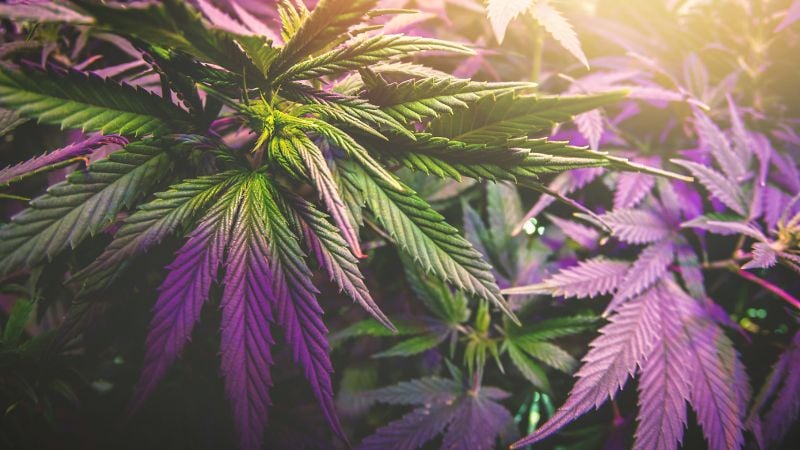
Purple Haze grows in a way that’s pretty different from shorter, bushier cultivars. This plant wants to go up. You’ll see taller growth, longer gaps between nodes, and a more open frame overall.
One of the first things you’ll notice is the stretch. During early growth and especially once flowering starts, Purple Haze can shoot up fast. If you don’t plan for that, it can outgrow your space pretty quickly indoors.
The internode spacing is wider compared to indica-heavy cultivars. That means branches aren’t stacked tightly together, which gives the plant a more open look. It actually helps with light penetration, so lower bud sites still get some exposure.
The buds themselves tend to be lighter and airier. They don’t pack in as dense as Kush-style cultivars, but that structure helps with airflow and makes them less likely to hold onto moisture.
Branches are flexible and easy to work with, which is great when it comes to training. You can bend and shape the plant without much resistance, and it responds well to being spread out into a wider canopy.
Once you get a feel for how Purple Haze grows, it’s easier to stay ahead of it. Give it space, manage the height early, and let that natural structure work in your favor.
Training Techniques for Purple Haze
If there’s one thing you don’t want to skip with Purple Haze, it’s training. This plant stretches hard, and if you just let it grow straight up, it’ll take over your space fast.
Topping is usually the first move. Cutting the main top early forces the plant to split into multiple branches, which helps control height and creates more bud sites. Instead of one tall cola, you end up with several.
Low stress training works really well with Purple Haze since the branches are flexible. You can gently bend them outward and tie them down, which spreads the plant into a wider shape. That keeps the canopy even and makes better use of your light.
If you’re growing indoors, a screen setup can make a big difference. Running a SCROG lets you guide each branch into its own space, so everything grows at the same height. That’s huge for a cultivar that naturally wants to grow uneven and tall.
Super cropping is another option if things start getting out of control. Bending taller branches slightly helps slow them down and keeps the canopy from getting too lopsided.
The main goal with all of this is simple. Keep the height in check and spread the plant out. Once you do that, Purple Haze becomes way easier to manage and a lot more productive.
Flowering Time and Yield Expectations
Purple Haze takes its time, and that’s just part of growing a Haze cultivar. You’re usually looking at a longer flowering period, around 10 to 12 weeks, sometimes a bit more depending on the phenotype. It’s not the fastest plant in the room, but it makes up for it if you stay patient.
During flowering, the stretch can keep going for a while, especially early on. That’s why training earlier in the grow helps so much. If you’ve already shaped the plant, it fills out instead of just shooting upward.
Yield-wise, Purple Haze can produce a lot, especially if it has enough space and strong light. Outdoors, plants can get pretty large and put out bigger harvests. Indoors, yields are more controlled, but still solid if your canopy is even and your lighting is dialed in.
The buds won’t be as dense as something like a Kush cultivar, but you’ll still get long, well-formed colas with plenty of resin. It’s a different look, but it works in your favor when it comes to airflow and overall plant health.
When it comes to harvest timing, keep an eye on trichomes. That’s your best signal for when the plant is ready. Purple Haze rewards patience, so letting it fully finish usually leads to better results than cutting it early.
Terpenes, Aroma, and Flavor Profile
Purple Haze has one of those profiles that stands out right away. It leans bright and a little sweet, with a mix of citrus, floral, and slightly herbal notes that feel way lighter than heavier cultivars.
A lot of that comes from terpenes like terpinolene and pinene. Terpinolene brings that sweet, almost citrusy edge, while pinene adds a fresh, slightly sharp note that keeps things from feeling too heavy. You might still catch a bit of earthiness underneath, but it’s not the main thing like it is with Kush cultivars.
When you’re growing Purple Haze, these aromas really start to come through during flowering. As buds develop and resin builds up, the smell gets stronger and more layered. It’s usually one of the first signs that things are moving in the right direction.
Flavor follows the same path. Light, a little sweet, sometimes a bit spicy depending on the phenotype. It’s a good reminder that Purple Haze isn’t about dense, heavy profiles. It’s more about that classic Haze character that feels clean and a bit more uplifting.
If you keep your dry and cure dialed in, those terpene notes stick around and come through even stronger at the end.
Common Growing Challenges with Purple Haze
Purple Haze isn’t hard to grow, but it does come with a few things you’ll want to stay on top of. Most of it comes back to how fast and how tall this plant wants to grow.
The biggest one is stretch. This plant can take off quickly, especially when it hits flowering. If you don’t train it early, it can outgrow your lights or crowd your space. Keeping it under control from the start makes everything easier later.
Feeding can trip people up too. Purple Haze doesn’t like to be pushed too hard. If you go heavy on nutrients, you’ll start seeing burnt tips or stressed leaves. A lighter, more balanced approach keeps things moving without slowing the plant down.
Outdoors, you’ve got the usual stuff to watch for like pests and weather. Taller plants can catch more wind, and long flowering times mean they’re exposed to the elements for longer. A sheltered spot with good airflow helps a lot.
Another thing is patience. Since it takes longer to finish, it’s easy to get impatient and cut it early. Letting it fully mature makes a noticeable difference in how it turns out.
Once you know what to look for, none of this is hard to manage. It just comes down to staying a step ahead of the plant.




No Comments