

How to Grow Cannabis Seeds in Grow Bags
Grow bags have become one of the easiest ways to get strong, healthy cannabis plants without overcomplicating your setup. They’re simple, affordable, and they fix a lot of the common issues growers run into with plastic pots, especially around drainage and root health.
If you’re trying to grow cannabis seeds in grow bags, the process is pretty straightforward once you understand how these containers behave. They dry out faster, they breathe better, and they reward good watering and soil habits. Get those basics right, and your plants usually take off without much resistance.
This guide walks through everything from germinating seeds to dialing in soil, watering, and feeding inside fabric pots. If you’re running an indoor grow tent or setting plants outside in larger containers, the same fundamentals apply. The goal is simple. Healthy roots, steady growth, and bigger yields by the time you hit harvest.
What Are Grow Bags and Why They Work for Cannabis
Grow bags are soft, breathable containers made from fabric instead of hard plastic. You’ll usually see them called fabric pots, smart pots, or just grow bags. Brands like Smart Pots and GeoPot made them popular, but now they’re everywhere in both indoor and outdoor setups.
The big difference comes down to airflow. Traditional plastic pots trap moisture and heat, which can lead to compacted soil and stressed roots. Fabric grow bags let air move through the container walls, which keeps the root zone cooler and helps with cannabis root oxygenation.
This is where air pruning comes into play. When roots hit the edge of a breathable container, they stop growing outward and branch off instead. That process builds a thicker, more efficient cannabis root system instead of long, tangled roots circling the pot.
Compared to in-ground growing, grow bags give you more control. You can fine-tune your soil, move plants around, and avoid issues like poor native soil or drainage problems. Compared to plastic pots, they’re better at preventing root circling and keeping things balanced underground.
Benefits of Growing Cannabis in Grow Bags
Once you switch to grow bags, the difference shows up fast. The biggest win is how they handle water. Fabric pots naturally improve your cannabis drainage system, so excess water doesn’t just sit in the root zone. That alone helps prevent root rot cannabis growers deal with when using plastic containers.
Another major upside is air pruning. Instead of roots circling the pot and getting tangled, they branch out and build a dense root mass. That thicker root structure helps your plants take in water and nutrients more efficiently, which shows up in stronger growth above the soil.
Grow bags are solid when it comes to temperature control too. Plastic pots can heat up fast under lights or direct sun, which stresses the roots. Breathable fabric allows heat to escape, keeping the soil environment more stable and helping protect the soil microbiome that supports your plants.
They’re easy to move around as well. If you’re running an indoor grow tent or adjusting your outdoor grow setup, portability matters. You can reposition plants for better light, airflow, or weather protection without dealing with heavy, rigid containers.
When you put it together, grow bags give you a more forgiving setup. Better drainage, healthier roots, and more control over your environment all lead to stronger cannabis seedlings and more consistent growth through the full cycle.
Choosing the Right Grow Bags for Cannabis Plants
Picking the right grow bag sets the tone for your entire grow. Size, build quality, and how you plan to grow all play a role in how your plants turn out.
What Size Grow Bag Should You Use?
Grow bag size directly impacts how big your plants can get. More root space means more growth potential above the soil.
1–3 gallon grow bags work for seedlings and early veg, or small autoflower cultivars
5–7 gallon grow bags are the standard for most indoor grows
10+ gallon grow bags are where you start seeing larger plants and heavier yields, especially outdoors1
A lot of growers start with whatever they have lying around, like 5 gallon paint buckets. You can grow a plant in those, no problem. But they limit root expansion and airflow, which caps your yield pretty quickly. A 10 gallon fabric grow bag gives your plant way more room to build a strong root system, which translates into bigger, healthier cultivars
Choosing the Right Grow Bags for Cannabis Plants
Picking the right grow bag sets the tone for your entire grow. Size, build quality, and how you plan to grow all play a role in how your plants turn out.
What Size Grow Bag Should You Use?
Grow bag size directly impacts how big your plants can get. More root space means more growth potential above the soil.
- 1–3 gallon grow bags work for seedlings and early veg, or small autoflower cultivars
- 5–7 gallon grow bags are the standard for most indoor grows
- 10+ gallon grow bags are where you start seeing larger plants and heavier yields, especially outdoors
A lot of growers start with whatever they have lying around, like 5 gallon paint buckets. You can grow a plant in those, no problem. But they limit root expansion and airflow, which caps your yield pretty quickly. A 10 gallon fabric grow bag gives your plant way more room to build a strong root system, which translates into bigger, healthier cultivars
Fabric Thickness and Quality
Fabric thickness and overall build quality make a bigger difference than most growers expect. Not all grow bags are made the same, and the cheaper ones tend to show their weaknesses pretty quickly. Thicker, well-constructed fabric pots hold their shape better when filled with soil, which helps maintain proper airflow around the root zone. That structure matters, since collapsed or sagging bags can restrict drainage and reduce the benefits you’re trying to get from using fabric in the first place.
Strong stitching and durable handles are worth paying attention to as well, especially if you plan on moving your plants during the grow. Wet soil gets heavy, and lower-quality bags can tear or stretch under the weight. You want a material that stays intact and breathable even after multiple waterings, not something that breaks down halfway through a cycle.
Higher-quality options like tend to maintain consistent airflow and hold up better over time. Cheaper grow bags often lose their structure, wear out faster, and don’t perform the same once they’ve been used a few times.
At the end of the day, your grow bag is your plant’s home. When the container holds its shape and keeps air moving through the soil, everything else becomes easier to manage, from watering and feeding to getting the most out of your final yield.
Best Soil Mix for Cannabis in Grow Bags
When you’re growing in fabric pots, your soil mix does a lot of the heavy lifting. Grow bags already improve airflow, so pairing them with a light, airy cannabis soil mix is what really unlocks strong root growth and steady plant development.
Dense soil is where things fall apart. It holds too much water, blocks oxygen, and slows everything down. What you want instead is a mix that drains well but still holds enough moisture and nutrients to keep your plants happy.
What Makes a Good Soil Mix for Grow Bags?
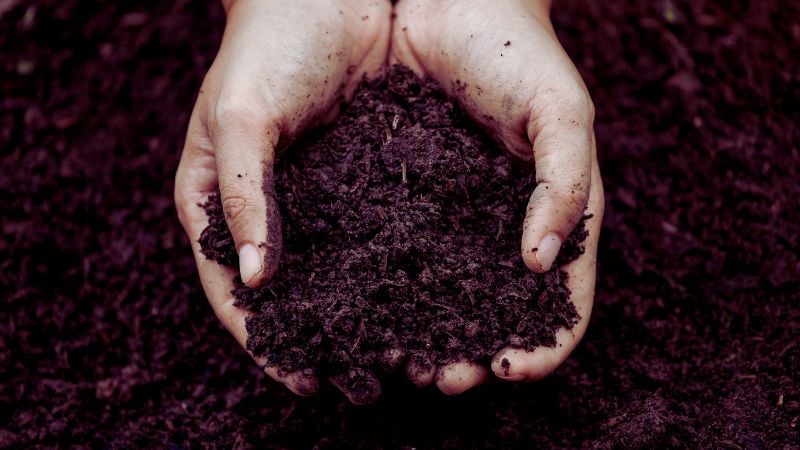
A good soil mix for grow bags comes down to balance. You want something light and breathable that still holds enough moisture to keep your plants going. Most solid mixes use coco coir or peat moss for moisture retention, perlite to improve drainage and keep the soil loose, and organic compost to feed your plants and support the soil microbiome. Each part works together to create a stable environment inside the container, and when that balance is right, roots stay healthy and active from the seedling stage all the way through harvest.
Coco Coir vs Soil in Grow Bags
A lot of growers lean toward coco coir in fabric pots since it stays light and breathable. It drains fast and gives you more control over feeding. Traditional soil mixes work too, as long as they’re not too compact.
If you’re running a cannabis soil mix grow bags setup, the key is making sure water doesn’t sit too long in the root zone. Grow bags already increase airflow, so pairing them with a well-draining medium keeps everything moving the way it should.
Dialing in Drainage and Retention
Dialing in drainage and nutrient retention is where a lot of growers either get it right or run into problems. You’re trying to find that middle ground where water moves through the soil without sitting and suffocating the roots, but still sticks around long enough to keep the plant fed. If your mix drains too quickly, the root zone dries out fast and nutrients don’t stay available long enough for the plant to use them. On the flip side, if the soil holds too much moisture, roots stay wet for too long, oxygen levels drop, and growth slows down.
A well-balanced mix allows water to pass through without pooling at the bottom of the grow bag, which keeps the root zone from becoming waterlogged. At the same time, the structure of the soil holds enough moisture and nutrients to support steady uptake between waterings. This balance keeps roots oxygenated, which is a huge factor in how quickly and efficiently your plant develops.
This is where grow bags really shine. The breathable fabric works with the soil mix to keep airflow consistent and prevent excess buildup of moisture. When both the container and the soil are working together, you end up with faster root development, stronger plants overall, and a grow that’s much easier to manage from start to finish.
FAQs
Are grow bags better than plastic pots for cannabis?
For most growers, yeah. Grow bags allow more airflow to the root zone, which helps prevent root circling and keeps the soil from staying too wet. Plastic pots hold moisture longer, which can lead to overwatering if you’re not careful. Fabric pots create a healthier environment for roots, which usually leads to stronger plants.
How big should grow bags be for weed plants?
It depends on how big you want your plants to get. Smaller bags around 1 to 3 gallons work for early growth or smaller cultivars. Most indoor growers land in the 5 to 7 gallon range. If you’re chasing bigger plants and better yields, 10 gallon grow bags or larger give roots more space to expand.
Do grow bags dry out too fast?
They do dry faster than plastic containers, but that’s part of the benefit. Better airflow means less chance of overwatering. You just need to adjust your watering habits. Instead of frequent light watering, it’s better to water thoroughly and let the soil dry back slightly before going again.
Can you reuse grow bags for cannabis?
Yes, you can reuse them. Just clean them out between runs to remove old roots and salt buildup. A quick rinse and dry usually does the trick. As long as the fabric is still in good shape, grow bags can last through multiple grows without any issues.

No Comments