

The Easiest Strains to Grow Indoors for a Perfect First Harvest

If you’re looking for the easiest strains to grow indoors, the secret is to focus on genetics that are tough, compact, and quick to finish. For anyone just starting out, that means sticking with resilient autoflowering or indica-dominant plants. They’re far more forgiving than tricky sativas and will get you to a successful first harvest without the headache.
Your First Step to a Successful Indoor Garden
Diving into your first indoor grow can feel like learning a new language, full of strange terms and new gear. But here’s the good news: the most important decision you’ll make is also the simplest one—choosing the right seeds. Picking one of the easiest strains to grow indoors is like a chef starting with perfect, fresh ingredients. It sets you up for success from day one.
Beginner-friendly strains have been bred to handle common mistakes. Think of them like a hardy houseplant that won’t keel over if you overwater it once or if the temperature fluctuates a bit. This built-in toughness takes a lot of the stress and guesswork out of the process, letting you learn and gain confidence as you go.
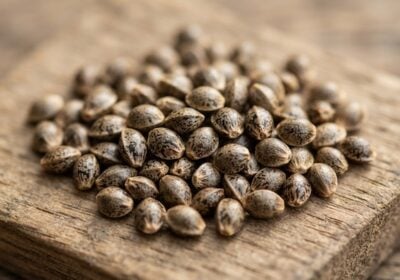
Before you even worry about lights or nutrients, getting the seeds right is everything. For a walkthrough of that very first step, our cannabis seed germination guide lays out a proven method to get things started on the right foot.
Why Genetics Matter Most
Imagine trying to build a skyscraper on a shaky foundation. It doesn’t matter how great the architect is; the whole project is set up to fail. It’s the exact same idea when you’re growing indoors. A plant’s genetic code is its blueprint—it dictates its size, its strength, and how much it will ultimately produce.
A beginner-friendly strain is simply one with stable, predictable genetics. It means the plant will grow how it’s supposed to, without throwing you any curveballs that can frustrate a new grower. These genetics come with some serious advantages:
- Natural Resilience: They’re better at fighting off common pests and mold on their own.
- Compact Structure: Their smaller, bushier size is a perfect fit for grow tents, closets, or any tight space.
- Forgiving Nature: They can bounce back from rookie mistakes like giving them too much or too little water or nutrients.
- Rapid Growth Cycles: A shorter time from seed to harvest means you get to see (and enjoy) the results of your work much faster.
The secret to a great first grow isn’t fancy equipment or complicated nutrient schedules. It’s picking a strain that’s programmed to thrive even while you’re still learning the ropes. A forgiving plant is the best teacher you can ask for.
To make things even clearer, let’s break down the two main categories of beginner-friendly strains.
Quick Guide to Beginner-Friendly Strain Types
Here’s a simple table to help you compare the best starting points for your indoor garden.
| Strain Type | Key Advantage | Best For | Typical Time to Harvest |
|---|---|---|---|
| Autoflower | Flowers automatically based on age; no light schedule changes needed. | Ultimate simplicity and speed; small, discreet grows. | 8–10 weeks from seed |
| Indica-Dominant | Naturally short and bushy; very resilient to stress and errors. | Beginners who want to learn light cycles with a tough plant. | 12–16 weeks from seed |
By picking a strain from one of these two camps, you’re not just planting a seed. You’re giving yourself the best possible shot at an enjoyable and rewarding start to indoor growing.
What Makes a Cannabis Strain Easy to Grow?
When a strain is labeled “easy to grow,” it’s not just marketing fluff. It’s a shorthand for a plant with specific genetic traits that give new growers a much-needed safety net. These characteristics can mean the difference between a frustrating first try and a harvest that builds your confidence for years to come.
Think of it like learning to drive. You wouldn’t hop into a high-strung race car that spins out at the slightest miscalculation. You’d start with something reliable and predictable. The same idea applies here—the easiest strains to grow indoors are simply built to be more forgiving and a whole lot less fussy.
These plants are usually defined by a handful of key traits that work together to make the whole process, from seed to harvest, much smoother.
The Four Pillars of a Beginner-Friendly Strain
An “easy” strain is really just a plant that has a few specific advantages baked right into its DNA. When you pick seeds with these features, you’re stacking the deck in your favor right from the start.
- Resilience: These plants are just plain tough. They come with a natural, built-in resistance to common headaches like mold, pests, and mildew that can trip up even experienced growers.
- Forgiving Nature: Let’s face it, you’re going to make mistakes. Maybe you overwater a little or get the light distance wrong. Forgiving strains can take a bit of a beating and bounce back from stress without throwing in the towel.
- Compact Structure: Most beginner-friendly strains, especially indicas and autoflowers, tend to grow short and bushy. This is a huge win for indoor growers working with limited space, like a closet or a small tent. You won’t have to worry about them stretching wildly and outgrowing your setup.
- Rapid Flowering Cycle: A fast turnaround is a huge plus. Not only do you get to enjoy your harvest sooner, but a shorter grow cycle also means less time for things to go wrong. A typical autoflower, for instance, can go from a seed to fully mature buds in as little as 8-10 weeks.
The goal for your first grow isn’t perfection; it’s success. An easy-to-grow strain gives you the best chance to learn the ropes and still end up with a rewarding harvest, setting you up for bigger and better grows down the road.
Why Stable Genetics Are a Game-Changer
Beyond those four pillars, there’s one more critical piece to the puzzle: stable genetics. This is the invisible blueprint that makes a plant grow predictably. When a breeder has properly stabilized a strain, it means every seed you pop will produce a plant that behaves the way it’s supposed to—same general height, same flowering time, and same structure.
For a new grower, that kind of consistency is priceless. It takes a ton of guesswork and anxiety out of the equation. You can actually follow guides and advice with confidence, knowing your plant will respond pretty much as expected. It’s this predictability that turns a potentially frustrating hobby into an enjoyable and repeatable success.
Why Indicas Are a Top Choice for Indoor Growers
If you’re just dipping your toes into indoor growing, you can’t go wrong with an indica-dominant strain. Think of them as the reliable, low-drama workhorses of the cannabis world. Their genetics were originally forged in the rugged Hindu Kush mountains, which made them naturally tough, compact, and incredibly forgiving—all perfect qualities for a beginner still learning the ropes.
Unlike their lanky sativa cousins that seem to shoot for the ceiling, indicas tend to stay short and bushy. This stout, Christmas-tree-like shape is a huge plus when you’re working with limited headroom in a closet or grow tent. They’re also tough as nails and can handle minor oopsies with temperature or humidity without throwing a fit, giving you a much-needed buffer as you learn.
The Gold Standard: Northern Lights
When people ask for a strain that perfectly captures why indicas are so easy to grow indoors, the answer is almost always Northern Lights. This legend has been a home-grow staple since the ’80s for a simple reason: it’s incredibly hard to mess up. The genetics are so stable and resilient that it practically grows itself, making it the perfect teacher for any first-timer.
What really makes Northern Lights shine is its hardiness. It naturally shrugs off pests, mold, and common diseases—the very things that cause so many headaches for new growers. Even better, it bounces back quickly from common mistakes like giving it a little too much water or nutrients. That forgiving nature takes a ton of stress off your shoulders so you can just focus on learning the basics.
A 2023 grower survey revealed that 78% of beginners rated Northern Lights as their top easy-to-grow strain, reporting 20-30% higher success rates compared to more delicate sativas.
This classic stays wonderfully compact, usually topping out at just 80-120 cm indoors, so it fits just about anywhere. It also has a speedy flowering time of only 7-9 weeks, meaning you get from seed to harvest that much faster. And for a low-maintenance plant, the rewards are massive—you can pull in yields of up to 550g/m².
Other Classic Indicas for Beginners
While Northern Lights gets a lot of the glory, it’s far from the only great choice for an indoor grow. Plenty of other classic strains offer that same beginner-friendly combination of toughness and a manageable size.
Here’s a quick look at some other tried-and-true indicas perfect for new growers:
- Blueberry: Famous for its gorgeous purple-blue colors and sweet, fruity smell, Blueberry is also a breeze to manage. It stays pretty compact and is known for its resilience, making it a beautiful and low-stress plant for your first garden.
- Granddaddy Purple (GDP): Another visual knockout, GDP is famous for its deep purple buds and grape-like aroma. It’s a pure indica that stays short and dense, with a straightforward growing cycle and a seriously relaxing payoff.
- Bubba Kush: This is a fantastic pick if you’re after that classic, heavy-hitting indica effect. Bubba Kush plants are famously short and stocky, so they don’t need much training to thrive. They’re also highly resistant to stress, making them a very safe bet.
To give you a clearer picture, here’s how some of these popular beginner indicas stack up against each other.
Top Indica Strains for Indoor Grows
| Strain Name | Average Height (Indoor) | Flowering Time | Potential Yield (per m²) | Key Feature |
|---|---|---|---|---|
| Northern Lights | 80-120 cm | 7-9 weeks | Up to 550g | Extremely resilient and forgiving |
| Blueberry | 70-110 cm | 8-9 weeks | Up to 450g | Beautiful colors and fruity aroma |
| Granddaddy Purple | 60-100 cm | 8-10 weeks | Up to 500g | Very compact with potent effects |
| Bubba Kush | 70-100 cm | 8-9 weeks | Up to 500g | Stocky build, needs minimal training |
Each of these, and many more like them, carry that trademark indica toughness. When you’re ready to start your journey, you can explore a huge variety of indica seeds for your next grow. Starting with strong, predictable genetics is the best way to set yourself up for a successful and satisfying first harvest.
How Autoflowers Simplify the Growing Process
If indicas are the reliable workhorses, autoflowers are the smart, self-driving cars of the cannabis world. They represent a huge leap forward for home growers, basically taking all the tricky guesswork out of the equation. For anyone looking for the absolute easiest strains to grow indoors, autoflowers are where you should start.
So, what makes them so simple? It all comes down to a unique genetic clock. Unlike regular “photoperiod” strains that need a strict change in their light schedule to start flowering, autoflowers just do it on their own when they reach a certain age.
This one trait completely removes the biggest hurdle that trips up new growers. Think of it like a smart appliance with a single “on” button versus an old one with a dozen confusing dials. You just set it up, and it knows exactly what to do and when to do it. No constant tweaking needed.
The Autoflower Advantage
This built-in timer, which comes from a tough cannabis subspecies called ruderalis, brings a whole bunch of benefits that are perfect for beginners. These plants are essentially programmed for speed and efficiency, a massive advantage when you’re still learning the ropes.
- Speed is Everything: Autoflowers are famously fast. Many can race from a freshly planted seed to a full harvest in just 8-10 weeks. This quick turnaround doesn’t just get you your results sooner; it also means there’s less time for things to go wrong.
- Compact and Discreet: These plants are naturally small and stealthy, rarely growing taller than 70-100 cm. Their compact size makes them a perfect fit for grow tents, closets, or any small space where you need to keep things low-key.
- Built-in Hardiness: Thanks to their tough ruderalis genetics, autoflowers are incredibly resilient. They can handle temperature swings and common grower mistakes much better than other strains, giving you a very helpful safety net.
Recent stats back this up. These ruderalis hybrids skip the tricky 12/12 light schedules that confuse an estimated 60% of beginners. In 2023, data from seed bank trackers showed that autoflowers made up 45% of all beginner purchases—a trend fueled by their quick cycles and simple needs.
Autoflowers automate the most challenging part of the growing process. By removing the need to manage light cycles, they allow you to focus purely on the fundamentals: watering, feeding, and watching your plant thrive.
Top Autoflower Strains for a Simple Grow
Just because they’re easy doesn’t mean you sacrifice quality. Modern breeders have created autoflowering versions of legendary strains, giving you impressive potency and flavor without the headache.
Here are a couple of fantastic examples that prove you can have the best of both worlds:
- Auto Northern Lights: This strain takes all the legendary resilience of the original Northern Lights and puts it on autopilot. It’s incredibly forgiving, stays short and stocky, and delivers those classic indica effects in record time.
- Auto Blueberry: If you want a plant that’s as beautiful as it is easy, this is your pick. Auto Blueberry grows gorgeous blue and purple-hued buds with that signature sweet, fruity aroma, all without needing a complex lighting setup.
These strains, and many others like them, make growing your own cannabis more accessible than ever. While both autoflowers and traditional feminized photoperiod seeds have their strengths, the sheer simplicity of autoflowers makes them an amazing choice for your first successful harvest. To help you decide which is right for you, check out our guide on the key differences between autoflower vs feminized seeds.
Setting Up Your First Indoor Grow Space
You’ve picked out a great beginner-friendly strain, which is a fantastic first step. Now, it’s time to build its home. Don’t let the technical side of things intimidate you; a successful indoor grow really just comes down to getting four key elements right. Nail these, and you’ll give your plants a stable, happy place to flourish.
If you want to make things incredibly simple, look into an all-in-one grow tent kit. These kits bundle the tent, light, fan, and filter together, making sure everything is perfectly sized and compatible. It completely removes the guesswork and gives you a solid foundation right out of the box.
The Four Pillars of Indoor Growing
Think of your grow space as your own little self-contained ecosystem where you play Mother Nature. The goal is to provide everything your plant needs by focusing on these four core pillars.
- Light: This is the engine that drives all growth.
- Medium: The foundation where roots live and drink.
- Nutrients: The food that builds strong stems and fat buds.
- Environment: The air, temperature, and humidity your plant breathes.
By focusing your attention here, you can build a simple but incredibly effective setup that will let your easy-to-grow strain live up to its full potential.
Choosing the Right Light
Light is, without a doubt, the most important piece of equipment for an indoor grow. For anyone just starting out, a modern LED (Light Emitting Diode) grow light is the only way to go. You might hear about older HPS lights, but they run incredibly hot and suck down a ton of electricity—two headaches you just don’t need as a beginner.
LEDs are a different story. They’re a perfect match for a small, simple setup because they run cool, sip energy, and often have a “full spectrum” output that mimics natural sunlight. That means no swapping out different bulbs for different growth phases, which keeps the whole process straightforward.
For your first grow, a quality LED light is the smartest investment you can make. It solves heat and energy problems before they even start, letting you focus on learning how to care for your plant.
Selecting Your Growing Medium
The medium is just a fancy word for what your plant’s roots call home. While you might see complex hydroponic setups online, the easiest and most forgiving option for a new grower is simply high-quality potting soil.
Soil acts as a natural buffer. It holds onto water and nutrients, releasing them slowly to the plant as needed. This built-in margin for error is a lifesaver if you accidentally overwater or get a little heavy-handed with the nutrients. Look for a light, airy potting mix made for cannabis or similar plants; it’ll have the right texture for drainage and aeration, which is key for healthy roots.
A Simple Approach to Nutrients
So many new growers fall into the same trap: they think more food means bigger plants. In reality, overfeeding is one of the quickest ways to hurt a plant. Your beginner-friendly strain is already tough, so a “less is more” mindset is your best friend.
Start with a basic two-part nutrient system—one bottle for the vegetative (growth) stage and another for the flowering (budding) stage. Keep these tips in mind:
- Start at Half Strength: Whatever the bottle recommends, start by using only 50% of that dose. You can always give them more later, but you can’t take away the damage from nutrient burn.
- Alternate Your Waterings: Don’t mix nutrients in every time. A great rhythm is to give them plain, pH-balanced water one day, and then water with nutrients the next time.
- Listen to the Leaves: Your plant will tell you what it needs. If the leaves start looking yellow, have burnt tips, or are curling up, it’s often a sign you’re overfeeding.
Managing Your Environment
The final pillar is the climate inside your grow space—specifically temperature and humidity. The resilient strains we recommend can handle some ups and downs, but they’ll really thrive when things are stable.
- Temperature: Aim for a comfortable room temperature between 20-28°C (68-82°F) when the lights are on. If you’re comfortable in a t-shirt, your plants probably are too.
- Humidity: During the vegetative stage, keep the humidity around 50-60%. Once flowers start forming, you’ll want to dial it back to 40-50% to prevent any chance of mold on your dense buds.
- Airflow: A small, cheap clip-on fan moving air inside the tent is a game-changer. It strengthens the stems and stops stale, humid air from sitting on the leaves.
By putting a little thought into these four pillars, you’re creating the perfect home for your plants. It’s the best way to set yourself up for a rewarding and successful first harvest.
Got Questions About Indoor Growing? We’ve Got Answers.
Jumping into your first indoor grow always sparks a few questions. Let’s clear up some of the most common ones so you can get started on the right foot and avoid those classic beginner mistakes.
What’s the Biggest Mistake New Growers Make?
Hands down, the most common slip-ups are overwatering and overfeeding. It’s totally understandable—you want to give your plants the best, so you give them everything. New growers often kill their plants with kindness, thinking more water and more nutrients must be better.
This is exactly why starting with a forgiving, easy-to-grow strain is so smart. These tough little plants can take a punch and bounce back from the common hiccups you’ll likely face while learning the ropes.
Do I Really Need a Grow Tent?
You don’t have to have one, but a grow tent makes life so much easier. Think of it as a little self-contained world for your plants. It simplifies everything by letting you easily control light, manage smells, and keep pests out.
That said, if you’re going for a stealthy grow with a compact autoflower, a clean, light-proof closet can work just fine as a starting point.
A Little Pro Advice: Start small. Seriously. For your very first run, stick to just 1 to 3 plants. This keeps things manageable and lets you really focus on learning how the plant grows from seed to harvest without getting overwhelmed.
Are Autoflowers Less Potent Than Other Strains?
That’s an old myth that’s been completely busted. Thanks to some incredible work by modern breeders, today’s autoflowers are just as potent and impressive as their photoperiod cousins.
You can now find autoflowering strains with seriously high THC levels that produce fantastic results in a much shorter time. Choosing an auto means you get simplicity without sacrificing an ounce of quality, which is why they’re such a fantastic choice for beginners.
Ready to get your indoor garden started with seeds you can count on? At Liberty Seed Bank, we’ve hand-picked a collection of the easiest and most reliable strains for new growers. Check out our autoflower and indica seeds to find the perfect match for a killer first harvest.

No Comments