

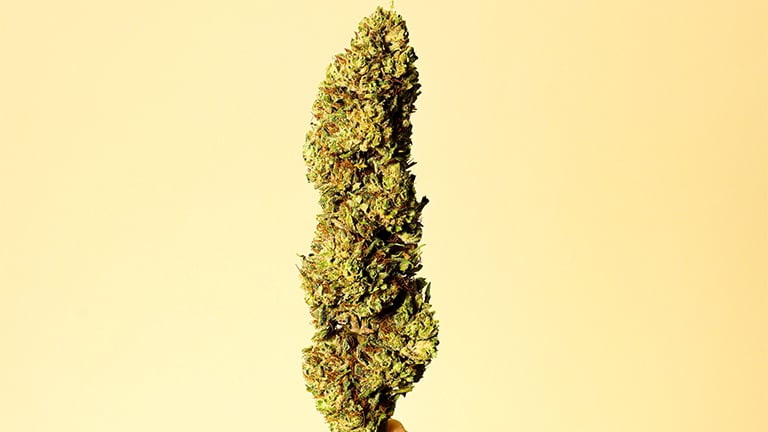
If you’ve been browsing online seed catalogs, reading grow forums, or exploring your local dispensary, you may be wondering, just what is THCA flower? While it’s not physically or chemically distinguishable from THC bud, it is labeled differently for some intriguing reasons.
THCA flower is rich in tetrahydrocannabinolic acid—but it can also be federally classified as hemp if it meets certain requirements. While it looks, smells, and smokes like typical bud, THCA flower that has delta-9 THC levels at or below 0.3% by dry weight meets the definition of hemp—at least for now. This means it is federally legal and can be marketed or sold online.
In the following guide, we’ll explore why this distinction is important for cannabis fans, shed light on the chemistry of the THCA flower, explain how it’s cultivated, and cover its legality, effects, and side effects.
What Is THCA Flower and How Does It Work?
THCA (tetrahydrocannabinolic acid) is a naturally occurring, non-intoxicating cannabinoid found in fresh, unheated cannabis. Whether you’re smoking, vaporizing, or baking the bud, the moment it’s exposed to heat, it transforms into THC through a process called decarboxylation. (Wang et al., 2016).
This is because, unlike THC, THCA contains an acidic carboxyl group (COOH), making its molecular structure too bulky to effectively bind to the CB1 receptors in our brains. As such, raw THCA does not produce intoxicating effects. (McPartland et al., 2017).
But what happens when THCA flower is heated to approximately 220°F (105 °C)? COOH is released as carbon dioxide, and THCA converts into delta-9 THC (Wang et al., 2016). Better known as “THC,” this is the cannabinoid responsible for marijuana’s mind-altering effects.
An important note: Because the decarboxylation process reduces the weight of a flower’s molecular structure, lab testing uses a standard conversion factor of 0.877 to calculate the true maximum potency of the flower once exposed to heat. (Wang et al., 2016) For example, a 20% THCA flower, once combusted, will produce THC levels of approximately 17.5%.
THCA Flower vs THC Flower: What’s the Difference?
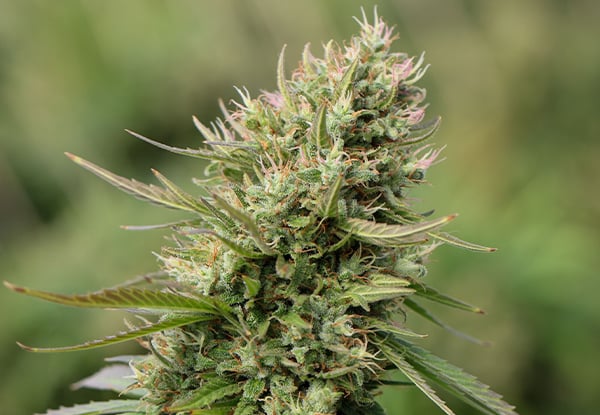
There isn’t a meaningful physical or chemical difference between “THCA flower” and “THC flower.” They both refer to cannabis flower that naturally contains high levels of THCA. However, these two terms are used very differently and clarify how a bud’s THC content is measured and regulated.
“THCA flower” typically refers to cannabis marketed as hemp. The Agriculture Improvement Act of 2018, also known as the 2018 Farm Bill, defines legal hemp as any Cannabis sativa L. plant or derivative capped at 0.3% delta-9 THC by dry weight.
“THC flower” generally refers to cannabis sold through state-regulated marijuana markets. The following chart shares more on how these two terms differ.
THCA vs THC Comparison Chart
Feature | THCA Flower (Hemp) | THC Flower (“Marijuana”) |
Delta-9 THC (Pre-Heat) | Cultivated and tested to contain no more than 0.3% delta-9 THC by dry weight. | Also contains low levels of THC before heating, but these concentrations don’t necessarily fall below 0.3% |
THCA Content | High (15% – 30%+) | High (15% – 30%+) |
Effect When Smoked/Vaped | Potent psychoactive high | Potent psychoactive high |
Federal Legal Status | Historically marketed as hemp based on the 2018 Farm Bill’s delta-9 THC threshold; legality varies by state | Generally classified as marijuana and regulated under state cannabis programs |
Sales Channels | Often sold through hemp retailers, smoke shops, online hemp marketplaces, and some cannabis retailers | Typically sold through licensed dispensaries in states with legal cannabis markets |
Lab Testing (COA) | Required Historically focused on hemp compliance testing, including delta-9 THC levels; requirements vary by state | Required (shows full cannabinoid profile) Subject to state cannabis testing requirements, which may include potency, pesticides, contaminants, and other safety standards |
How Is THCA Flower Made? (And Is It Sprayed?)
Like many high-quality products, THCA flower isn’t immune to knockoffs. While real THCA flower is not sprayed, cheap imitations might be. In this context, spraying simply means coating low-quality hemp flower with liquid THCA or other cannabinoid extracts to make lower-quality plants look appealing, frosty, and potent. This outer coating can also be an attempt to fool compliance and quality testing.
Real THCA flower is grown from high-THCA cultivars and produced in accordance with hemp sampling and testing requirements. The process begins by selecting strains that have naturally high THCA production. These strains are cultivated and undergo compliance testing before the mature buds are harvested.
How to Identify High-Quality THCA Flower
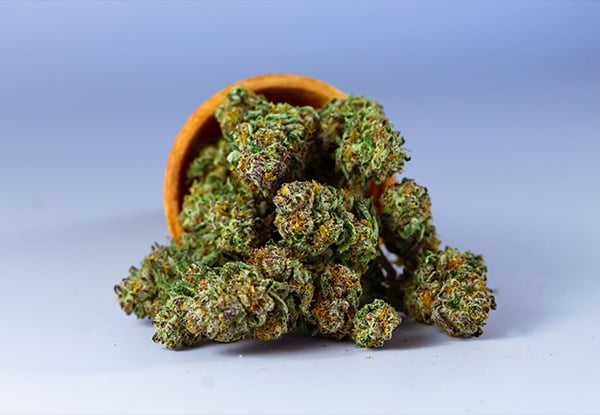
Legitimate THCA flower will include a final Certificate of Analysis (COA) covering THCA percentage, delta-9 THC percentage, and verification that the bud has been tested for contaminants and microbials such as pesticides, heavy metals, and residual solvents. Keep an eye out for lower-quality products marketed as THCA flower, as these may include CBD flower coated with distillate or other concentrates.
If you’re interested in purchasing some THCA flower of your own, we encourage you to check the COA carefully first. It may also be helpful to take a look at this sample COA first.
Does THCA Flower Get You High?
Yes, when heated. As discussed above, heating THCA flower produces THC, whereas raw or unheated THCA is non-intoxicating.
When choosing how to consume your bud, it’s always helpful to think about your past experiences and ask yourself how quickly and potently you’d like the high to kick in. Smoked or vaped THCA flower produces fast-acting effects, while edibles made with decarboxylated flower often have a delayed high—but ultimately, can produce stronger effects that last longer.
While raw THCA doesn’t produce any mind-altering effects, some early, pre-clinical research suggests it may have anti-inflammatory and neuroprotective potential. (Nadal et al., 2017).
THCA Side Effects and Testing
Heated THCA flower produces delta-9 THC when exposed to heat. In general, any type of THC product can produce side effects such as dry mouth, red eyes, increased heart rate, anxiety, and even paranoia at higher doses. For this reason, it’s always a good approach to start slow and see how you feel.
THCA flower itself will show up on a drug test, just like any THC-rich cannabis product. Once heated, THCA produces delta-9 THC. Testing commonly targets THC-COOH, the primary metabolite of THC. As such, it will appear on a drug test. (American College of Medical Toxicology, 2020).
Is THCA Flower Legal? Federal Law and State Restrictions
Under the Agriculture Improvement Act of 2018, legal hemp is defined as Cannabis sativa L. containing no more than 0.3% Delta-9 THC on a dry-weight basis (Agriculture Improvement Act of 2018, 2018).
Federally, THCA flower that meets the criteria for hemp can be sold legally, although the rules will vary from state to state. This is because the 2018 statute targets pre-heated levels of delta-9 THC, not THC levels once combusted. As such, flower containing delta-9 THC levels of 0.3% or less can be sold online and in smoke shops, even if it contains 20%+ raw THCA. By contrast, state-licensed dispensaries sell “marijuana,” which typically exceeds that 0.3% threshold before it’s even exposed to heat, and carries strict, comprehensive laboratory testing requirements as a federally controlled substance.
Note: The 2026 Extensions Act changes the federal definition of hemp by replacing the previous delta-9 THC standard with a total THC standard, limiting the sale of hemp flower, including THCA flower, to no more than 0.3% total THC (including THCA) or 0.4 milligrams of total THC. Congressional Research Service (2025)
Last Updated: July 26, 2026
State Restrictions and Real-World Risks
Purchasing THCA flower may or may not be legal depending on your location, despite its federally legal status. In some states, local law enforcement may treat THCA flower as illicit marijuana. For this reason, it’s crucial that buyers verify their state’s laws before making a purchase, and consider that local laws can evolve and change.
Last Updated: July 23, 2026
In the following states, THCA flower cannot be legally purchased.
Tennessee
Tennessee regulates hemp-derived cannabinoid products using a total THC / total theoretical THC standard that accounts for the conversion of THCA into delta-9 THC. Because high-THCA flower produces significant amounts of delta-9 THC when heated, products exceeding Tennessee’s 0.3% total theoretical THC limit do not qualify as legal hemp-derived cannabinoid products. (Tennessee General Assembly, 2025)
Alabama
Alabama prohibits smokable hemp products, which includes hemp flower products intended for inhalation. Because THCA flower is typically sold as smokable hemp flower, it is prohibited. (Alabama Legislature, 2025)
Georgia
Georgia prohibits the sale or distribution of the flower or leaves of the Cannabis sativa L. plant as consumable hemp products, regardless of total delta-9 THC concentration. This prohibition applies to hemp flower products, including THCA flower marketed as hemp. (Georgia General Assembly, 2024)
Idaho
Idaho defines compliant hemp using a total delta-9 THC standard of no more than 0.3% on a dry-weight basis. Idaho’s hemp rules incorporate THC compliance testing requirements that make high-THCA flower incompatible with the state’s hemp program because THCA contributes to potential THC content after conversion. (Idaho Department of Agriculture, 2025)
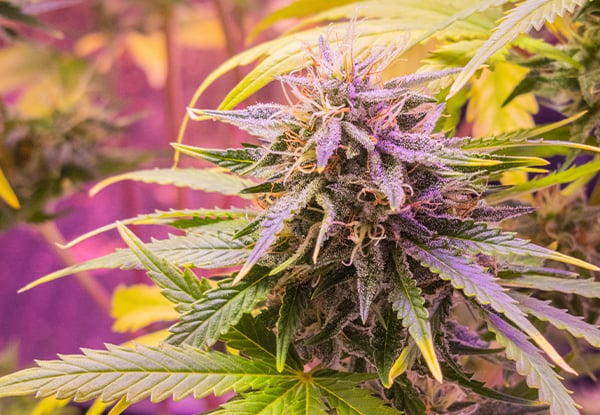
What is THCA Flower Used For?
THCA flower is biologically identical to cannabis, but the way you consume it plays a large role in its effects. Below, we cover some of the most commonly used ways to consume THCA flower, and how they typically play out.
Smoking and vaping
This process produces thermal energy from combustion or vaporization and rapidly decarboxylates raw THCA, converting it into psychoactive Delta-9 THC.
Raw consumption
Juicing buds or blending your flowers results in unactivated THCA. Because THCA does not bind efficiently to CB1 receptors, raw consumption produces no intoxicating “high.”
Cooking/Baking
THC needs to be activated before you infuse your cannabis flower into butter or oil. Heating ground flower at 220°F–240°F (104°C–115°C) for 30–40 minutes helps optimize this process.
Storage and Degradation
Proper storage helps preserve your flower’s cannabinoid profile, aroma, and overall quality. Place your cannabis into an airtight container and store it in a cool, dark place away from heat, light, and air. These environmental factors can gradually alter cannabinoids over time through two main processes:
Ambient Decarboxylation: Even without heat, THCA can slowly lose its carboxyl group and convert into delta-9 THC over extended periods. For hemp products, this gradual conversion may affect compliance with legal THC limits.
Oxidative Degradation: Over time, exposure to oxygen can cause delta-9 THC to degrade into cannabinol (CBN), a cannabinoid associated with milder psychoactive effects and potential sedative properties (Munjal et al., 2006).
For home growers, proper storage is one of the simplest ways to help maintain flower quality after harvest.
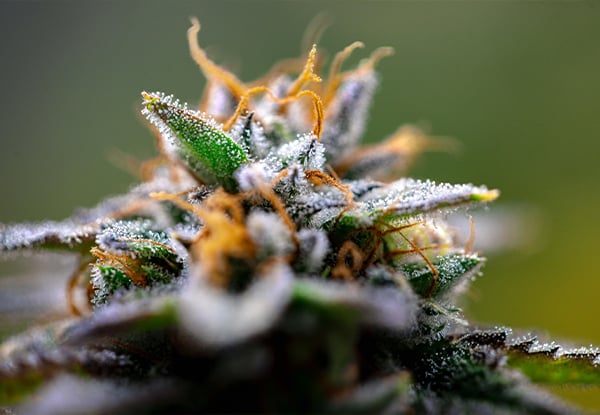
A Final Note
federal hemp laws defined and measured THC. As the hemp and cannabis industries continue to evolve, we recommend staying informed about changing regulations.
Reading up on the latest developments is one of the best ways to make confident decisions about purchasing THCA flower, such as whether you should, where you should, and how to ensure you’re receiving good-quality bud.
If all this discussion of cannabinoids has you inspired to cultivate your own THC-rich cannabis at home, our extensive seed library is a great place to start. You’ll find many potent varieties suitable for all skill levels, from sativa-dominant cultivars to blissful indica hybrids.
FAQ When Looking At THCA
Does THCA flower get you high?
Yes — once you smoke, vape, or cook it, heat turns THCA into THC, which is intoxicating. Raw, unheated THCA itself does not produce a “high.”
What is the difference between THCA flower and regular weed?
The answer to what is THCA flower vs THC flower mostly chalks up to how the buds are labeled. THCA flower is hemp that tests at or below 0.3% delta‑9 THC before heating, but once you smoke it, the effects are similar to regular cannabis of comparable strength.
What is THCA flower made of?
THCA flower is made of raw, naturally grown cannabis buds. It consists of plant matter, microscopic resin glands called trichomes, essential oils, and, of course, high concentrations of tetrahydrocannabinolic acid (THCA).
Is THCA flower legal in my state?
Federally, THCA flower that meets the hemp definition is legal, but several states restrict or ban it. Always check the latest state laws and your local THCA legality guide before buying.
Is THCA flower sprayed?
It just means the plant isn’t entirely free of mind-altering or psychoactive effects. Most CBD-focused flower still has a little THC in it. For example, the Harlequin strain has 15% CBD, but also 7-15% THC.
In practice, that usually means you still get the calmer, more clear-headed kind of experience people look for with CBD flower, but depending on the THC levels, potentially some light psychoactive effects.
Will THCA flower show up on a drug test?
Yes. When you heat and consume THCA flower, it becomes THC, and standard urine drug tests detect the resulting THC metabolites.
How strong is THCA flower?
Most THCA flower tests around 15–30% THCA. After heating, that converts to roughly similar THC levels (about 0.877 × the THCA percentage), making it comparable in strength to typical dispensary cannabis.
References
Wang, M., Wang, Y. H., Avula, B., Radwan, M. M., Wanas, A. S., van Antwerp, J., Parcher, J. F., ElSohly, M. A., & Khan, I. A. (2016). Decarboxylation study of acidic cannabinoids: A novel approach using ultra-high-performance supercritical fluid chromatography/photodiode array-mass spectrometry. Cannabis and Cannabinoid Research, 1(1), 262–271.
https://doi.org/10.1089/can.2016.0020
McPartland, J. M., MacDonald, C., Young, M., Grant, P. S., Furkert, D. P., & Glass, M. (2017). Affinity and efficacy studies of tetrahydrocannabinolic acid A at cannabinoid receptor types one and two. Cannabis and Cannabinoid Research, 2(1), 87–95. https://doi.org/10.1089/can.2016.0032 Cited by: 101
United States Congress. (2018). S.2667—Hemp Farming Act of 2018. Congress.gov. https://www.congress.gov/bill/115th-congress/senate-bill/2667/text
Congressional Research Service. (2025). Changes to the statutory definition of hemp and issues for Congress (IF13136). https://www.congress.gov/crs-product/IF13136
U.S. Department of Agriculture, Agricultural Marketing Service. (n.d.). Laboratory testing guidelines: U.S. Domestic Hemp Production Program. https://www.ams.usda.gov/rules-regulations/hemp/information-laboratories/lab-testing-guidelines
American College of Medical Toxicology. (2020). ACMT position statement: Interpretation of urine for tetrahydrocannabinol metabolites. Journal of Medical Toxicology, 16, 300–304. https://doi.org/10.1007/s13181-020-00772-2
Nadal, X., Del Río, C., Casano, S., Palomares, B., Ferreiro‑Vera, C., Navarrete, C., … Hernández‑Fernández, A. (2017). Tetrahydrocannabinolic acid is a potent PPARγ agonist with neuroprotective activity. British Journal of Pharmacology, 174(23), 4263–4276. https://doi.org/10.1111/bph.14019
Munjal, M., ElSohly, M. A., & Repka, M. A. (2006). Polymeric systems for amorphous delta-9 tetrahydrocannabinol produced by a hot-melt method. Part II: Effect of oxidation mechanisms and chemical interactions on stability. Journal of Pharmaceutical Sciences, 95(11), 2473–2485. https://doi.org/10.1002/jps.20711
American College of Medical Toxicology. (2020). ACMT position statement: Interpretation of urine for tetrahydrocannabinol metabolites. Journal of Medical Toxicology, 16(2), 240–242. https://doi.org/10.1007/s13181-019-00753-8
Tennessee General Assembly. (2025). House Bill 1376: An act to amend Tennessee Code Annotated, Title 39; Title 40; Title 43, Chapter 27; Title 53, Chapter 11; Title 57 and Title 67, relative to the regulation of hemp-derived cannabinoid products (Public Chapter No. 526). https://wapp.capitol.tn.gov/apps/BillInfo/Default?BillNumber=HB1376
Alabama Legislature. (2025). House Bill 445: Relating to cannabinoids found in hemp; to prohibit certain consumable cannabinoid products; and to provide for regulation of hemp-derived products. https://alison.legislature.state.al.us/
Georgia General Assembly. (2024). Senate Bill 494: Regulating hemp products and total THC content (O.C.G.A. § 2-23-3). https://gov.georgia.gov/document/2024-signed-legislation/sb-494/download
Idaho Department of Agriculture. (2025). IDAPA 02.01.07: Rules governing hemp. Idaho Administrative Code. https://adminrules.idaho.gov/rules/current/02/020107.pdf

No Comments