

Sativa vs. Indica vs. Hybrid: What the Labels Actually Tell You
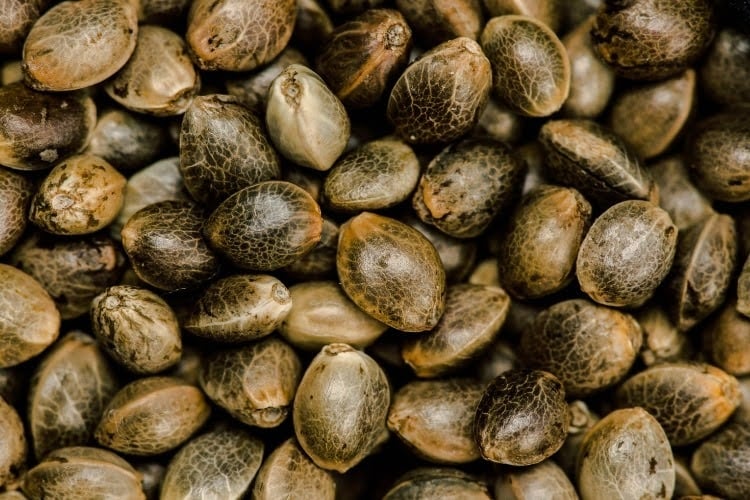
Have you been in a situation where you had to choose between sativa, indica, or hybrid seeds? Then you must know about the most confusing labels that cannabis has to offer. They appear on nearly all products and are repeated in nearly every guide, but they don’t actually mean what many people believe.
What you should know is that these labels are an excellent guide to how a plant grows. But they are a much weaker guide to how the flower will make you feel. That is why understanding what each label means is crucial when making a decision.
The Origin of the Sativa and Indica Labels
These names originated in botany, not from any effects the plants had. Botanists in the 18th century used Cannabis sativa and Cannabis indica to describe plants that looked different and grew in different parts of the world.
The growth differences are real and valid even now:
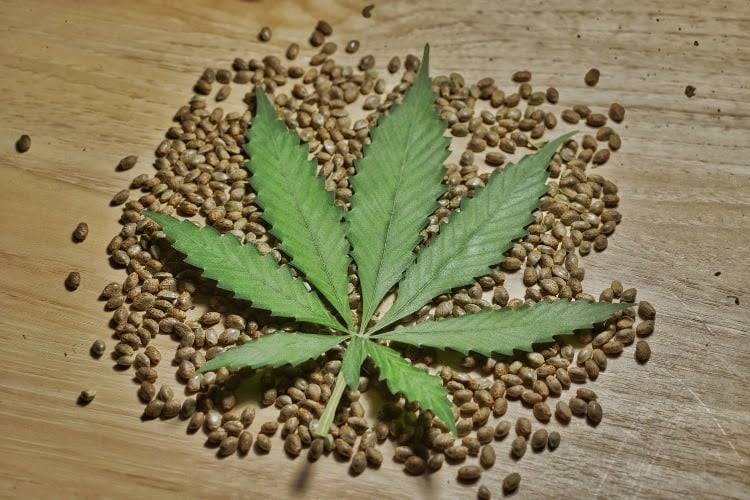
- Sativa-type plants are cannabis plants that originated in the warmer regions around the equator. They grow tall and open, with narrow, finger-like leaves and large spacing between nodes. They take longer to finish, often ten weeks or more in flower.
- Indica-type plants come from colder and more mountainous regions. They are shorter and denser, with wide leaves and little space between branches, and they tend to flower quicker than the others, generally in seven to nine weeks.
- Cannabis ruderalis is a third and lesser-known subspecies. It evolved in northern climates with extremely short summers, and it’s small and unremarkable on its own. However, it has the trait that makes autoflower seeds possible: it flowers by age rather than daylight hours.
This knowledge helps a grower decide what’s ideal for a tent or a short outdoor season. A sativa-dominant plant needs vertical room and patience. An indica-dominant plant suits a smaller space and a faster turnaround.
Why the Labels No Longer Predict Effects
Decades of crossbreeding mixed these lineages so thoroughly that the labels no longer track the underlying genetics.
A 2015 genetics study published in PLOS ONE found that the correlation between the reported ancestry of cannabis samples and their actual genetic structure is moderate at best. In other words, a strain labeled indica may not be indica genetically speaking.
This is one reason the usual indica vs sativa framing can be misleading, and why asking whether something is indica or sativa often tells you less than its chemical makeup. In other words, a strain labeled indica may not be indica genetically speaking, and the labels suggest tendencies rather than guaranteed effects.
The scientist most associated with this argument is Dr. Ethan Russo. In a 2016 interview in Cannabis and Cannabinoid Research, he said there was no scientific evidence that sativa and indica produce different effects, since a plant’s effect depends on its chemistry, not its physical appearance.
This is not an outlandish argument either. It has become the mainstream scientific view, and it sits awkwardly alongside a retail convention that is unlikely to go away any time soon.
What Drives the Experience?
If labels don’t influence the experience, what does? Two drivers shape the experience, and they work in tandem.
Cannabinoids
Sativa, indica, and hybrid are cannabis types, but cannabinoids are the active compounds in cannabis that tell you more about how a product may feel. THC is the main psychoactive compound largely responsible for the psychoactive effects, and CBD is non-intoxicating and, in clinical tests, helps reduce some of the less desirable effects of THC.
The ratio of these two compounds matters more than the plant’s classification. Some people assume one type has more THC, but levels vary widely across all three categories, so a strain high in THC and low in CBD will be significantly different from a balanced one, no matter the label it’s given.
Terpenes
Terpenes are the aromatic compounds that give each strain its smell, and there is strong research to back up the theory that terpenes affect the user’s experience as well. In his very famous study published in the British Journal of Pharmacology in 2011, Russo details how terpenes work together with cannabinoids rather than just giving them scent, an interaction usually called the entourage effect.
This helps explain why some plants are associated with uplifting effects, while others are better known for calming effects, a heavier body high, or even a more noticeable sedative effect. The ratio of these two compounds matters more than the plant’s classification. No category consistently has more THC, since actual levels vary by individual strain.
What Constitutes a Hybrid?
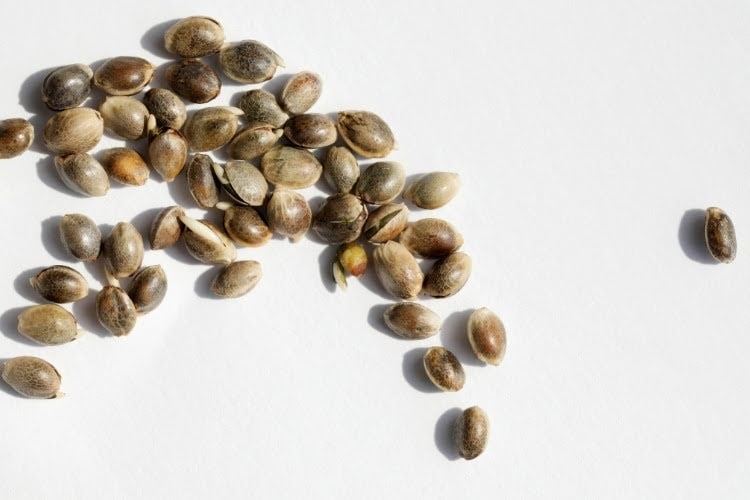
Most cannabis strains sold commercially today are hybrids, since breeders have spent years selecting parent plants and crossing two strains to get specific qualities: yield from one parent, flowering speed from another, flavor from a third.
Hybrids are generally described in one of three ways:
- Sativa-dominant. These hybrids lean toward the taller structure and longer flowering time of their sativa parentage.
- Indica-dominant. They lean toward the compact structure and faster finish of their indica side.
- Balanced hybrids. Hybrid strains sit somewhere in the middle on both counts.
For a grower, this is the most useful framing of the three, since it tells you what to expect from the plant when it’s in your space. A sativa-dominant hybrid still wants height, while an indica-dominant hybrid will finish sooner. Our feminized seeds collection is available to browse by these properties.
How to Choose Your Seeds
- Consider your growing conditions. This is where the sativa and indica labels matter. Indica-dominant or autoflower strains are recommended for growers with height constraints. Sativa strains, on the other hand, are recommended for people who have patience and more room to work with. Cannabis growers who want the shortest cycle should consider fast-flowering seeds.
- Look at the cannabinoid profile. Compare the THC and CBD ranges on the individual strain page instead of relying on the general category. If you care about potency, our high THC seeds collection is specifically filtered for it.
- Consider the terpene and flavor profile. This is a much better way to predict how your experience will turn out compared to the sativa or indica label. It’s also generally more fun to pick from.
- Consider difficulty. If this is your first grow, forgiving strains are what you need more than anything else mentioned above. Our beginner cannabis seeds are carefully selected with this in mind.
Frequently Asked Questions
Is Indica Better for Sleep Than Sativa?
Not as a rule. Most users experience that effect, and indica plants are often high in myrcene, the terpene known for its sedative properties. However, the relationship is quite vague. Instead of trusting the category label, it’s better to see what the particular strain contains in cannabinoids and terpenes.
Are Sativa Plants Harder to Grow?
Yes, this is often the case, but for practical rather than mysterious reasons. The sativa-dominant varieties usually grow much taller in the flowering stage and are generally take longer to finish their cycle. That makes them hard to manage in a tent and more exposed to weather conditions.
What Percentage of Strains Are Actually Hybrids?
The vast majority. Crossbreeding for many years has made pure landrace sativas and indicas rare, and breeders and collectors only seek them out you purchase cannabis seeds today, it’s almost certain that you’ll be getting hybrid cannabis seeds, regardless of what’s written on the package.
Do THC Levels Differ Between Sativa and Indica?
You can find both high-THC and low-THC strains in every category. A strain’s potency, or THC content, depends on its genetics and how it’s grown, not its sativa or indica category.
If the Labels Are Unreliable, Why Does Everyone Still Use Them?
Everyone uses them because the labels are still helpful for describing plant growth patterns, and because fifty years of industry tradition is hard to overturn. A grower needs an easy way to say, “This one gets big and takes a long time,” or “This one stays small and matures quickly,” and these labels make it easy to communicate that information.
What Should I Focus On?
The amount of cannabinoid contained in the strain, followed by terpene profiles, and then the plant’s growing traits. You can find all three on the strain’s individual page.
Conclusion
Indica, sativa, and hybrid labels provide accurate information on how a particular strain will grow, but are not accurate indicators of the effect it’ll have on you. The growth pattern remains important for those choosing seeds based on space needs, plant height, and flowering period, but cannabinoid content and terpenes determine the actual effect, not the category on the package. Use the term for practical growing purposes, but refer to the specific strain’s cannabinoid content and terpene profile for any information regarding effects.
Note: Seeds are sold as novelty collectibles for genetic preservation to adults aged 21 and over. Please review your local laws before germinating.
References
1. Sawler J, Stout JM, Gardner KM, et al. “The Genetic Structure of Marijuana and Hemp.” PLOS ONE, 2015.
2. Piomelli D, Russo EB. “The Cannabis sativa Versus Cannabis indica Debate: An Interview with Ethan Russo, MD.” Cannabis and Cannabinoid Research, 2016.
3. Russo EB. “Taming THC: potential cannabis synergy and phytocannabinoid-terpenoid entourage effects.” British Journal of Pharmacology, 2011.

No Comments