

What Is Cannabis Rosin? A Grower’s Guide to the Solventless Concentrate
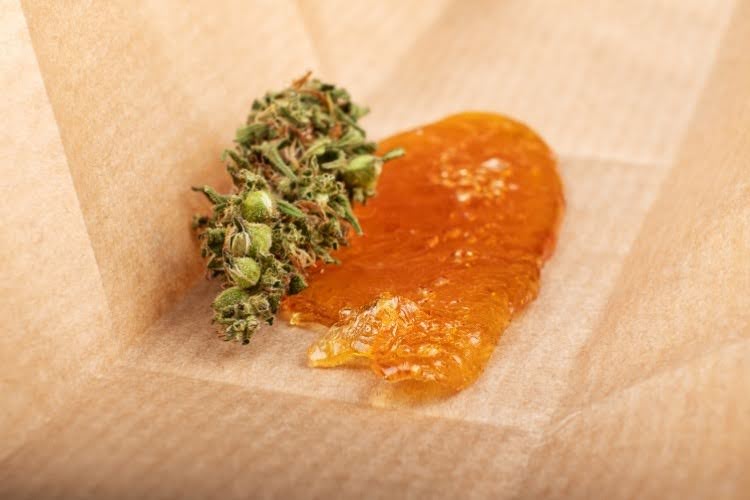
If you’ve ever grown your own cannabis and been left wondering what to do with the flower beyond drying and curing it, rosin is the answer most home growers arrive at. It’s the one serious concentrate you can make with heat, pressure, and no chemistry.
What Is Cannabis Rosin?
Cannabis rosin is a solventless concentrate made by pressing cannabis flower, bubble hash, or kief between heated plates to force the plant’s resin out. Almost all cannabis concentrates are made with the use of a solvent.
Butane, propane, ethanol, or supercritical CO2 is passed through the plant material to extract the resin, and the solvent is then removed. This method works effectively and is used at an industrial scale; however, it requires closed-loop equipment, and the solvent must be properly removed.
Rosin is free of all of that. Heat and pressure are applied mechanically, so you don’t have to remove anything afterward. The extract that comes out of the press is finished.
The Origins of Rosin
Rosin got its name from outside the world of cannabis. Rosin was originally a solid form of pine tree resin, used for centuries to add grip to a violin bow. Musicians rubbed a block of it across the bow’s hair, and the friction and light heat generated during play made rosin effective. Cannabis growers borrowed the process and the name, with one letter separating “rosin,” the pressed solid, from “resin,” the sticky substance found on the plant itself.
Even though the method used for rosin’s extraction is completely different from the methods used by many cannabis concentrates, it’s still considered to belong to the same category as wax, shatter, and other cannabis products because they all have the same result, which is a concentrated, potent form of the plant’s cannabinoids and terpenes.
How Is Rosin Made?
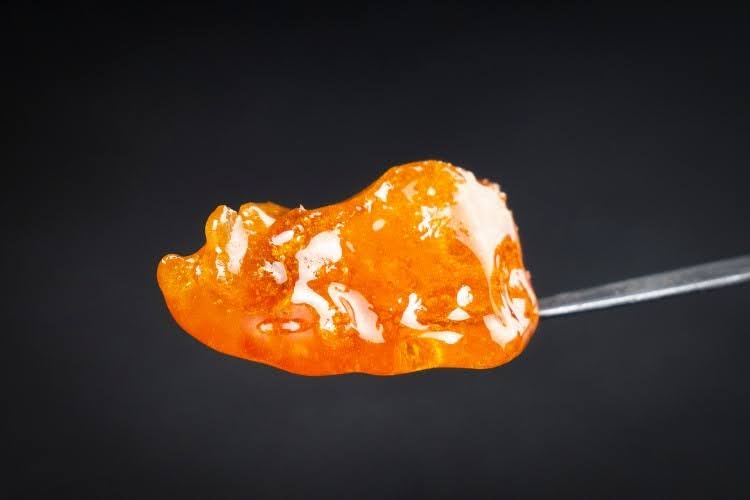
The process is relatively simple compared with most other extraction methods. First, plant material is wrapped in parchment paper. It’s then placed between two heated plates and pressed. Large-scale operations use a specialized rosin press that applies consistent heat and pressure across the material, while at home some achieve similar results with a hair straightener and hand pressure.
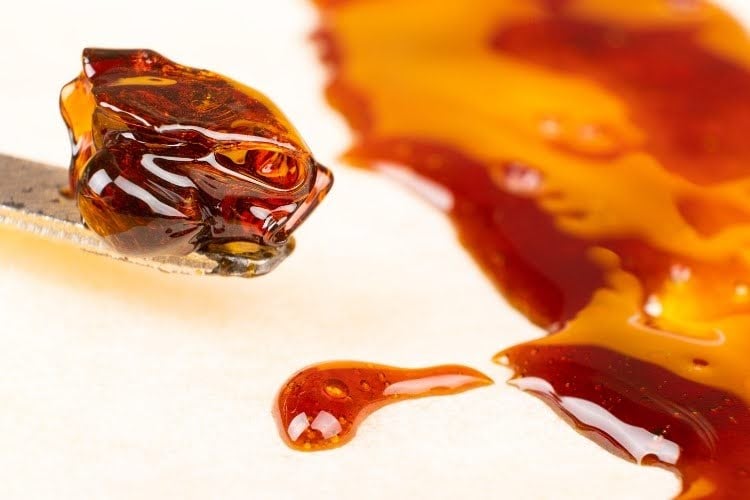
With heat and pressure applied to the plant material, the resin comes out as a liquid and is squeezed to the edges of the parchment paper. When it cools, it becomes a stable and sticky substance we know as rosin. The whole process may take only a few seconds per press. However, the exact timing depends on the material and the equipment used.
The material you put in the press determines what comes out. Growers can press cured cannabis flower directly, or they can start with bubble hash or kief that’s already been separated from the plant material. Fresh frozen or flash frozen material, where growers quickly freeze the flowers immediately after harvest instead of drying and curing them, is also an option, especially for those who prioritize flavor and potency over convenience.
Since making rosin involves no chemical extraction, the end product closely reflects the starting material. Well-grown, well-cured flower tends to produce higher-quality rosin, while lower-grade material yields lower-quality rosin.
Types of Rosin
Flower Rosin
Flower rosin is pressed directly from dried, cured flower. This is the easiest type to start with because the raw material you need is just your harvest. Flower rosin has the lowest yields of the three types of rosin, roughly between 15% and 25% of the input weight, depending on the strain and how it was grown.
Hash Rosin
Hash rosin is pressed from ice water hash, not flower. The plant material has already been removed at the hash stage, so the input is more concentrated and produces cleaner, more potent rosin. Hash yields are much higher, though making the hash itself takes time and equipment.
Live Rosin
Live rosin is extracted from ice water hash made with fresh frozen plant material, not dried flower. It’s valued for its flavor and aroma because the plant never dries, so more volatile terpenes survive.
What Makes Good Rosin Begins with the Seed
Making rosin involves a process that concentrates, but doesn’t correct. It takes what is in the flower and removes everything else, which means the quality of the input determines the quality of the output.
There are two key aspects:
Resin Production
Strains vary considerably in how much trichome coverage they develop. Growers who press rosin prefer strains known for heavy resin production. Those are also strains that look frosted at harvest. Our high THC seeds are a good starting point, as heavy resin and high cannabinoid content usually travel together.
Terpene Retention
Terpenes are volatile, so the drying process is just as important as the growing process. Flower dried too fast or too warm will lose aromatic compounds that can’t be brought back, no matter how well it’s pressed.
When growing with the intention to press, most home growers find that feminized seeds make more sense than autoflowers because a longer vegetative period often results in a larger, more resinous plant. However, modern autoflower seeds bridge this gap and give you several harvests a year.
Why Rosin Became So Popular
There are three main reasons rosin became popular:
- Accessibility. You don’t need a lab to start; it only takes a press to get into it. This made it possible for many people to make concentrates at home.
- Flavor. Since nothing is removed or purged, rosin typically maintains a terpene profile similar to the flower itself. Many consumers say it tastes almost like the original strain, which can’t always be said of highly processed extracts.
- Transparency. Growers who grow a plant from seed appreciate that the entire production process can be traced from start to finish, with no unknown substances entering the process.
Frequently Asked Questions
Is Rosin More Potent Than Flower?
Yes, it is. Rosin concentrates the cannabinoids from a much larger volume of plant material into a small amount of extract, resulting in a product that is several times as potent as the flower it was extracted from.
What Is the Difference Between Rosin and Live Rosin?
Ordinary rosin comes from dried and cured material, while live rosin comes from ice water hash made with fresh, frozen plant material that has never been dried. Drying drives off volatile terpenes, so live rosin usually has more aroma and flavor. It also costs more because it takes longer to produce and requires freezing the input right after harvest.
Does Rosin Go Bad?
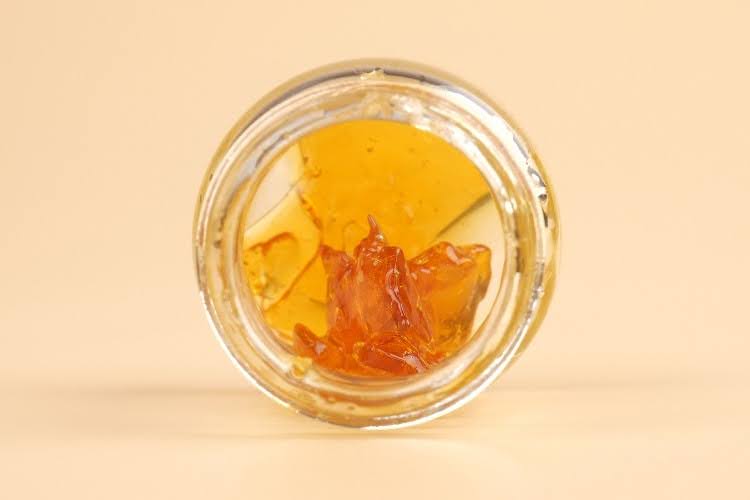
It deteriorates, not spoils. Cannabinoids and terpenes gradually break down when exposed to heat, light, and air. Rosin kept in the light or kept warm will lose potency and aroma faster than rosin that’s sealed and kept cool.
Can You Extract Rosin Without a Press?
Some home hacks online use hair straighteners and can technically yield a small amount of extract. However, you have little control over temperature and pressure, which are key factors that determine the results. Regulations for concentrate production and flower aren’t always the same, so check what applies where you are.
Is Rosin Legal?
It depends on your location. Concentrates are often governed by different laws than flower, and in some places, producing them at home may be prohibited even when growing is legal. Check the rules in your jurisdiction before doing anything.
Conclusion
When it comes to rosin extraction, what goes into the press is what comes out. No solvent can hide rushed curing or improperly dried plant material, which is why growers focused on resin production and terpene retention from the get-go tend to get the most out of pressing it themselves.
Note: Seeds are sold as novelty collectibles for genetic preservation to adults aged 21 and over. Please review your local laws before germinating.

No Comments