

Your Ultimate Guide to Growing Blue Dream Cannabis



Blue Dream Plant Characteristics
Blue Dream plants tend to grow with a noticeable vertical push, especially once they hit the transition into flower. You’ll usually see taller plants with long side branches that spread out instead of staying tight and compact. That structure gives you a lot to work with when it comes to training and shaping the canopy.
The buds lean dense but not overly tight, which helps with airflow through the plant. You’ll still get solid weight by the end of the cycle, with chunky colas that stack along those longer branches. Resin production is strong here too, with trichomes building up early and continuing to develop right through harvest.
Flowering time usually lands around 9 to 10 weeks. During that stretch, you’ll notice pistils shifting from bright white to darker tones as the plant matures. By the end, the buds are coated and sticky, with that classic mix of structure and resin that Blue Dream is known for.
Overall, this cultivar gives you a plant that’s easy to read. It shows you how it’s responding to your environment, which makes it easier to adjust things like feeding, watering, and training as you go.
Indoor vs Outdoor Growing: What Works Best for Blue Dream
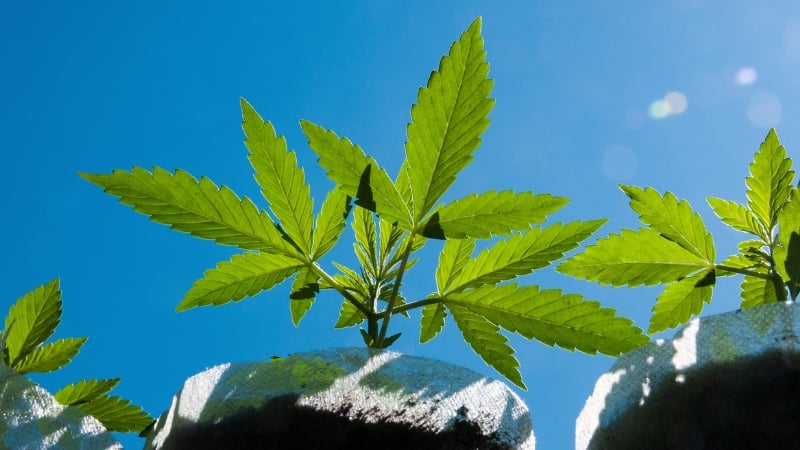
Blue Dream is one of those cultivars that adapts well to pretty much any setup, so the choice between indoor and outdoor comes down to how much control you want over the grow.
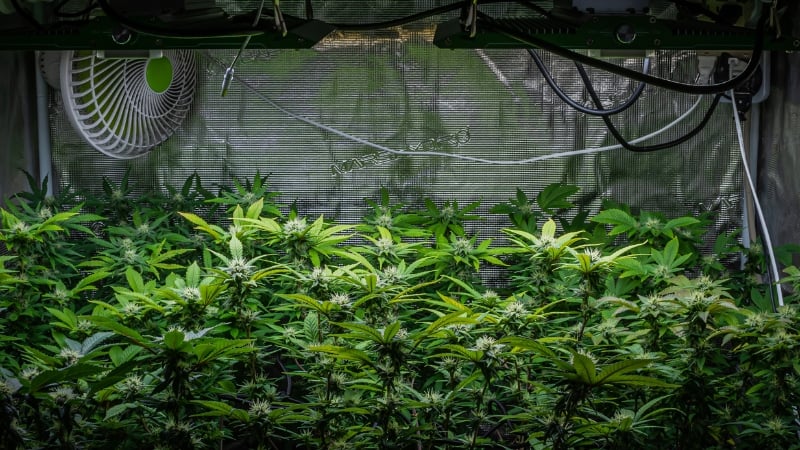
Indoor setups give you consistency. You control the light cycle, temperature, and humidity, which makes it easier to manage that stretch Blue Dream is known for. In a tent or grow room, you can train the plant early, keep the canopy even, and push for solid yields without worrying about weather shifts. This is usually the move if you want repeatable results and tighter control over the entire cycle.
Outdoor growing lets Blue Dream do its thing naturally. With enough sunlight and space, these plants can get big and produce heavy harvests. The tradeoff is that you’re working with your local climate. Cooler nights, high humidity, or a shorter season can affect how the plant finishes, so timing and location matter a lot more here.
If you’re in a region with long, warm seasons, outdoor grows can really pay off with size and yield. If your climate is less predictable, indoor gives you a more controlled path from seed to harvest. Either way, Blue Dream holds up well and rewards a setup that matches your environment.
Ideal Climate and Growing Conditions
Blue Dream grows best when the environment stays steady. Big swings in temperature or humidity can slow growth, stress the plant out, or create problems later in flower. Keeping things consistent usually leads to healthier structure, stronger resin production, and cleaner harvests.
During veg, Blue Dream likes warm temperatures and moderate humidity. As the plant moves into flower, lowering humidity becomes more important, especially once the buds start stacking weight. Dense flowers mixed with trapped moisture can create mold issues fast if airflow is weak.
Good airflow makes a bigger difference than a lot of growers realize. Moving air around the canopy helps strengthen branches, keeps temperatures more even, and cuts down on stagnant pockets where mildew can develop. Oscillating fans, proper exhaust systems, and enough spacing between plants all help keep the grow area balanced.
Outdoors, Blue Dream tends to thrive in sunny climates with decent airflow and lower late-season humidity. Too much rain near harvest can create issues with bud rot, especially on larger colas. If you’re growing outside, keeping an eye on weather during the final weeks matters just as much as feeding or watering.
The healthier the environment stays overall, the easier Blue Dream is to manage from start to finish.
Choosing the Right Medium: Soil vs Hydro for Blue Dream
Blue Dream grows well in both soil and hydro setups, but each one changes how the plant behaves and how hands-on the grow becomes.
Soil is usually the easier path, especially for newer growers. A good soil mix gives the roots access to nutrients gradually and creates a little buffer if feeding or watering is slightly off. Blue Dream responds well to rich, well-aerated soil that drains properly without drying out too fast. Adding perlite or coco into the mix can help keep oxygen moving through the root zone.
Hydro setups push faster growth and can lead to bigger yields when everything is dialed in. The plant has direct access to water and nutrients, so growth tends to move quicker during veg. At the same time, hydro leaves less room for mistakes. pH swings, nutrient imbalance, or root zone issues can show up fast and affect the plant almost immediately.
Coco coir lands somewhere in the middle. A lot of growers like it for Blue Dream because it gives you faster growth than traditional soil but still feels more forgiving than deep hydro systems. It drains well, holds oxygen around the roots, and works nicely with frequent feeding schedules.
No matter which medium you choose, healthy roots are the foundation of the grow. Blue Dream tends to reward setups that keep the root zone oxygenated, evenly moist, and free from buildup or standing water.
Lighting Requirements for Maximum Growth
Blue Dream responds really well to strong lighting, especially once it starts building out its canopy. The more even your light coverage is, the better your plant structure and bud development usually turn out.
During the vegetative stage, most growers keep lights running around 18 hours per day. This gives the plant enough energy to build branches, leaves, and root mass before flowering starts. Since Blue Dream can stretch quite a bit, strong lighting during veg helps keep growth healthier and less spindly.
Once you switch into flower, the light cycle typically moves to 12 hours on and 12 hours off. That change signals the plant to stop focusing on vertical growth and start producing buds. Consistency matters here. Light leaks or interruptions during the dark cycle can stress the plant and create problems later in flower.
LED grow lights are popular for Blue Dream because they run cooler and provide strong coverage without pushing temperatures too high. HPS lighting still works well too, especially for growers chasing larger yields, but heat management becomes more important in smaller spaces.
Canopy management plays a huge role in lighting efficiency. Blue Dream grows with lots of side branching, so training techniques like topping or low stress training help spread the plant out and expose more bud sites to direct light. A flatter canopy usually means more even development across the entire plant instead of oversized top colas and weak lower growth.
Good lighting does not just increase yield. It helps shape the entire grow from structure and internodal spacing to resin production late in flower.
Watering and Feeding Blue Dream Plants
Blue Dream likes a balanced feeding routine and a watering schedule that stays consistent without keeping the roots soaked. One of the quickest ways to stress this cultivar is overwatering. Wet soil with poor airflow around the roots can slow growth fast and create problems that are hard to correct later.
A good approach is to water thoroughly, then let the medium dry back slightly before watering again. The container should feel lighter before the next round. This helps keep oxygen moving through the root zone and encourages stronger root development overall.
During veg, Blue Dream usually responds well to nitrogen-heavy feeding since the plant spends this stage building leaves and branches. Once flowering begins, the nutrient balance shifts more toward phosphorus and potassium to support bud production and resin development.
Keeping pH in range matters just as much as the nutrients themselves. If the root zone drifts too far outside the proper range, the plant can struggle to absorb nutrients even when they’re present. That’s when growers start seeing issues like yellowing leaves, burnt tips, or slow growth.
Blue Dream tends to grow vigorously, so it’s easy to assume more nutrients automatically means bigger yields. In reality, lighter and steadier feeding often works better than pushing the plant too hard. Watching leaf color, growth speed, and overall posture tells you a lot about how the plant is responding long before bigger problems show up.
Training Techniques to Maximize Yield
Blue Dream responds really well to training, mostly because of how quickly it branches out during veg. Left alone, it can grow tall and uneven pretty fast. A little canopy management early on makes a huge difference once flowering starts.
Topping is one of the most common techniques growers use with Blue Dream. Cutting the main growth tip encourages the plant to spread energy into multiple branches instead of one dominant cola. That usually creates a fuller canopy and more productive bud sites across the plant.
Low stress training works especially well here too. Gently bending and tying down branches helps expose more of the canopy to direct light, which keeps growth more even from top to bottom. Since Blue Dream naturally develops long side branches, it’s easy to shape the plant without fighting against stiff structure.
Some growers take things further with SCROG setups. Using a trellis net to spread branches horizontally helps maximize light coverage indoors and keeps taller growth under control. This can be really useful in tents where vertical space is limited.
Pruning lower growth during veg and early flower can help airflow move through the plant more easily too. Blue Dream can get bushy once it fills out, so cleaning up weaker inner branches helps the plant focus energy on the stronger top growth instead.
The goal with training is not just bigger yields. It’s creating a healthier canopy with better airflow, stronger light penetration, and more consistent bud development across the entire plant.
Common Growing Challenges with Blue Dream
Blue Dream is fairly forgiving compared to a lot of cannabis cultivars, but there are still a few issues growers run into regularly, especially during aggressive vegetative growth and late flower.
One of the biggest problems is excess stretch. Since Blue Dream leans sativa in its growth pattern, plants can shoot upward quickly after the flip to flower. Without training or canopy management, indoor growers can end up with uneven light coverage and overcrowded tops.
Humidity can become another issue once the buds start thickening up. Large colas mixed with poor airflow create the perfect setup for powdery mildew or bud rot, especially near harvest. Keeping humidity lower during flower and maintaining good air movement through the canopy helps prevent most of these problems before they start.
Nutrient buildup is another common mistake. Blue Dream grows vigorously, so growers sometimes push feeding harder than necessary. That can lead to burnt leaf tips, dark foliage, or nutrient lockout if pH drifts out of range. A lighter, more balanced feeding schedule usually works better than overloading the plant.
Like most cannabis plants, Blue Dream can attract pests too. Spider mites, fungus gnats, and thrips are some of the more common issues indoors. Regular inspections, clean grow spaces, and proper airflow go a long way toward keeping infestations under control.
The good thing about Blue Dream is that it usually gives growers warning signs early. Changes in leaf posture, discoloration, slowed growth, or unusual spotting tend to show up before things get severe, which makes it easier to correct problems if you catch them quickly.
Flowering Stage: What to Expect
Once Blue Dream enters flower, growth speeds up quickly. The plant usually stretches hard during the first couple of weeks after the light cycle changes, sometimes doubling in size if conditions are right. This is the stage where canopy control really starts paying off.
As flowering progresses, bud sites begin stacking along the branches and filling out with more density week by week. White pistils start forming early, then gradually darken and curl inward as the plant matures. At the same time, trichome production ramps up fast, giving the buds that frosty, sticky look Blue Dream is known for.
The aroma becomes much stronger during this phase too. Sweet berry notes from the Blueberry side start mixing with earthy haze tones, especially during the later weeks of flower when terpene production peaks.
Humidity management matters a lot here. Dense flowers combined with trapped moisture can create mold problems quickly if airflow is weak. Many growers lower humidity gradually through flower and keep fans moving consistently around the canopy to help the buds finish clean.
Most Blue Dream plants finish flowering somewhere around 9 to 10 weeks. Toward the end, trichomes shift from clear to cloudy, with some amber starting to appear depending on harvest timing. Watching those changes closely gives you a much better idea of harvest readiness than simply following a calendar.
When and How to Harvest Blue Dream
Harvest timing can completely change the final result with Blue Dream. Cutting too early usually means lighter buds and less developed resin, while waiting too long can dull some of the brighter terpene character that this cultivar is known for.
The best way to judge harvest readiness is by watching the trichomes instead of relying only on flowering timelines. Clear trichomes usually mean the plant still needs time. Cloudy or milky trichomes signal peak resin development, and amber heads start showing up as the plant moves deeper into maturity.
A lot of growers harvest Blue Dream when most trichomes are cloudy with a smaller percentage turning amber. That balance usually keeps the cultivar’s classic character intact without pushing too far past peak maturity.
Before harvest, many growers reduce feeding and give the plant plain water during the final stretch. This helps the plant finish cleaner and encourages it to use up stored nutrients naturally before cutting.
When it’s time to harvest, branches are typically cut individually or the whole plant is taken down at the base. Larger fan leaves are often removed first to improve airflow during drying. Handling the buds carefully matters here too since heavy resin production makes trichomes easy to knock loose during trimming.
A clean, patient harvest process goes a long way toward preserving the flavor, aroma, and overall quality Blue Dream is known for.
Drying and Curing for Best Results
A solid grow can lose quality fast if the drying and curing process gets rushed. Blue Dream develops a strong terpene profile during flower, so preserving that flavor and aroma after harvest matters just as much as the grow itself.
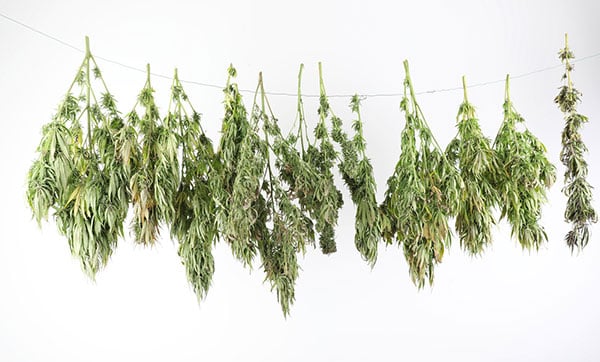
After cutting the plant, branches are usually hung upside down in a dark space with steady airflow and moderate humidity. The goal is a slow dry instead of pulling moisture out too quickly. Fast drying can leave the buds harsh and flatten a lot of the sweeter berry and haze notes that make Blue Dream stand out.
Most growers aim for a drying period around 7 to 14 days depending on bud size and environmental conditions. Smaller stems snapping instead of bending is usually a good sign the buds are ready for curing.
Once dried, the buds move into airtight glass jars for the curing stage. During the first week or two, jars are opened regularly to release excess moisture and bring fresh air inside. This process helps stabilize humidity inside the buds and gradually improves aroma, texture, and overall smoothness.
Curing takes patience. Blue Dream usually continues improving over several weeks as chlorophyll breaks down and terpene character becomes more noticeable. Proper storage after curing matters too. Keeping jars in a cool, dark place helps preserve cannabinoids and terpenes longer without drying the flower out prematurely.
Yield Expectations for Blue Dream
Blue Dream has built a reputation for strong yields, which is a big part of why growers keep it in rotation year after year. When the environment is stable and the plant gets enough light, it can produce some pretty impressive harvests indoors and outdoors.
Indoor growers often see high production from relatively manageable plants, especially when training techniques like topping or SCROG are used to spread the canopy out evenly. Blue Dream tends to develop lots of productive bud sites across its branches instead of concentrating everything into a single top cola. Expect 405 – 495 gr/m2 for indoor yields.
Outdoor plants can get much larger (over 70 inches) if they have enough root space and a long growing season. In warmer climates with good sunlight, Blue Dream is capable of producing heavy harvests with thick branching and large colas by the end of flower. Expect 630 – 770 gr/m2 for outdoor yields.
Of course, yield depends on more than genetics alone. Lighting strength, feeding consistency, airflow, container size, training methods, and overall plant health all play a role in final output. A healthy plant with a balanced environment usually outperforms a stressed plant getting pushed too hard with nutrients or watering.
One of the reasons growers like Blue Dream so much is that it balances quantity and quality well. You’re not just getting decent harvest weight. You’re getting resin-heavy flower with solid structure and strong terpene production at the same time.
Why Blue Dream Is a Go-To for New and Experienced Growers
Blue Dream sits in that rare middle ground where newer growers can have a smooth first run with it, but experienced growers still enjoy pushing the cultivar to its full potential. It’s approachable without feeling boring.
For beginners, a big part of the appeal is how forgiving the plant can be. Blue Dream usually handles small feeding mistakes, environmental fluctuations, and training adjustments better than more sensitive cultivars. It grows vigorously, recovers well, and gives clear visual feedback when something needs attention.
More experienced growers tend to like Blue Dream for the opposite reason. The plant responds well to advanced training techniques, heavier canopy management, and optimized indoor setups. If the environment is dialed in properly, Blue Dream can reward that extra effort with larger yields, stronger resin production, and really clean structure.
Its versatility helps too. Some cultivars only thrive in very specific conditions, but Blue Dream adapts well across indoor tents, outdoor gardens, soil grows, hydro systems, and coco setups. That flexibility makes it easy to fit into different grow styles without needing a completely different approach.
At the end of the day, Blue Dream has stayed popular for years because it consistently delivers. The plant grows aggressively, produces quality flower, and gives growers a relatively smooth experience from seed through harvest.
FAQs




No Comments